Polski
 Deutsch
 Čeština
 Slovenčina
 Magyar
 Français
 Nederlands
 Svenska
 Dansk
 Norsk
 Suomi
Water temperature
12–24 °C
12–24 °C
0102030
In colder water activity slows down gradually. Above the optimum activity drops, and in very warm water it falls sharply.
Where zander hold, how to fish for them and which lures work, from the BiteRadar species guide. The app forecasts zander activity hour by hour for the water you fish.
When to fish
Quick answer
Most active in water around 12–24 °C. In the BiteRadar model, dawn, dusk and night are usually the best times for zander. The exact hours change every day with light, weather and water temperature, so check the hourly forecast for your spot.
Water temperature
12–24 °C
In colder water activity slows down gradually. Above the optimum activity drops, and in very warm water it falls sharply.
Best times of day
Dawn&Dusk&Night
Exact hours shift every day with sunrise, sunset and weather.
What stands out for this species
Where to fish
Quick answer
Look for zander at piers and stone banks, slopes beside deeper water, current breaks, changes in bottom depth, submerged timber, rocky reefs and points, edges of baitfish shoals and foot of the marginal slope.
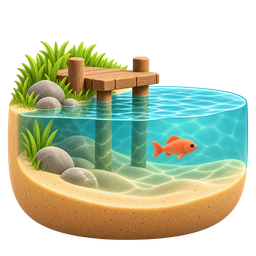
Search stone-bank edges and pier supports where deeper water meets cover.
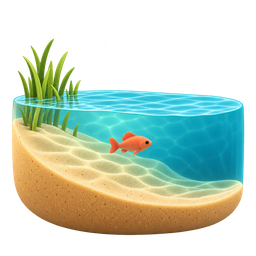
Work points, hump slopes and drop-offs, checking several depths along the edge.
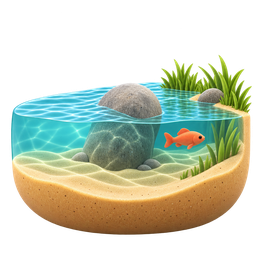
Explore current seams beside groynes and quieter pockets behind obstructions.
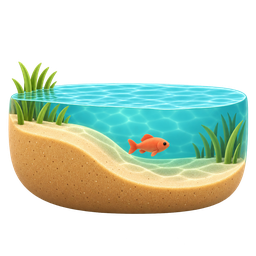
Follow old channel edges and holes behind sandbars, looking for changes in depth.
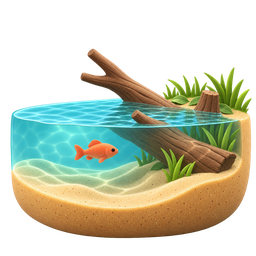
Work outside submerged stumps and branches, keeping a clear route for the fish.
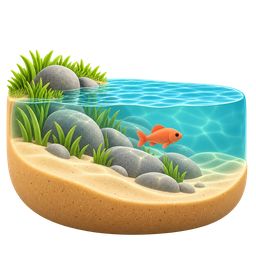
Search rocky points and rubble edges where baitfish gather near deeper water.
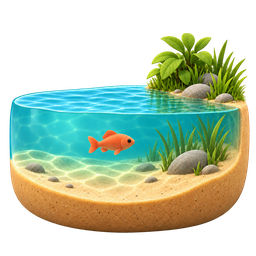
Follow baitfish shoals in open water and present at their depth, not only at the bed.
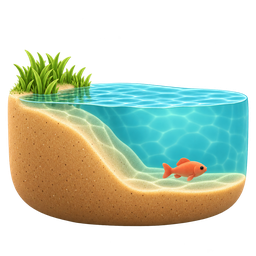
Explore the lower bank slope and adjacent shallows as light conditions change.
Lures and methods
Quick answer
Paddle-tail shads, curly-tail grubs, soft jerkbaits and fork-tail minnows, soft plastic worms, soft leech imitations, soft crayfish, creature baits, plugs, blade baits and lipless crankbaits for spinning; dead baitfish and fish pieces for bottom fishing; dead baitfish, fish pieces and live baitfish for float fishing; plugs and paddle-tail shads for trolling; balanced jigs and jigging spoons for ice fishing.
| Lure or bait | Method | How to fish it |
|---|---|---|
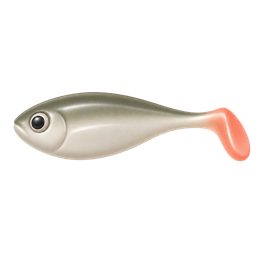 Paddle-tail shads |
 Spinning  Trolling |
Jig a slender paddle-tail shad along a drop-off or swim it through baitfish. A 7 to 12 cm shad is a useful starting profile, adjusted to the forage. Rig it straight and choose enough head weight to control depth and follow each fall. Vary the lift height and retrieve speed; keep it higher in the water when fish are suspended rather than forcing every cast onto the bottom. |
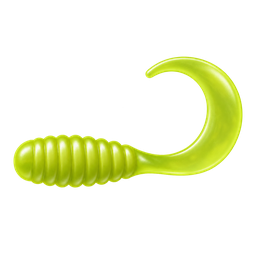 Curly-tail grubs |
Spinning |
Swim a twister slowly beside a channel edge or work it with short bottom lifts. Start with a slender 7 to 11 cm grub and keep its curled tail clear of the hook bend. Rig the body straight on a jig head and wind just fast enough to keep the tail working. Alternate swimming with controlled falls over clear ground, changing weight when depth or current changes. |
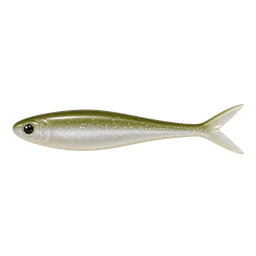 Soft jerkbaits and fork-tail minnows |
Spinning |
Lift a slim fork-tail minnow near the fish, then pause on a controlled line. Use a jig head for casting or vertical work, keeping the body straight and the tail free. Beneath a boat, make small lifts and holds at fish depth while keeping the line close to vertical. For drop shot, tie the hook above the end weight and gently twitch the lure horizontally, with pauses between movements. |
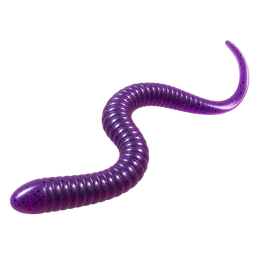 Soft plastic worms |
Spinning |
Hold a soft worm above a drop-shot weight and alternate gentle shakes with pauses. Choose a supple, slender model around 6 to 12 cm as a starting point. Leave the tail free and set the hook above the sinker to clear the bottom or low weed. Keep the weight in place while moving the lure, then reposition the rig to search the next patch instead of shaking indefinitely in empty water. |
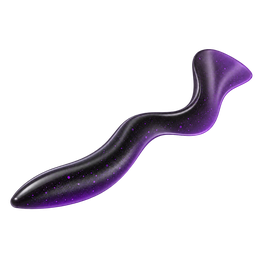 Soft leech imitations |
Spinning |
Present a slim soft leech above the bottom with restrained movements and pauses. Nose-hook a supple model on a drop-shot rig, with the hook above the end weight. Use small rod-tip movements so the thin tail moves without constantly dragging the sinker. A light jig head is another option for short lifts through a clear pocket; adjust weight to control the presentation. |
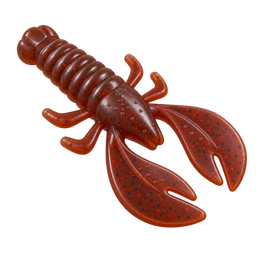 Soft crayfish |
Spinning |
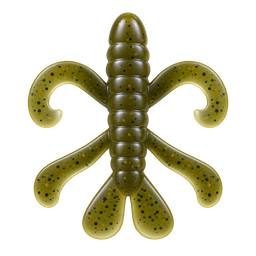
Move a compact soft crayfish slowly beside stones or the outside of timber. Use a jig head on clear ground or an offset hook and bullet weight for a Texas rig near cover. Keep the claws free and leave enough hook gap for the body to compress on a take. Make short drags and pauses; a tucked hook point reduces snagging but does not make branches safe to cast into. |
 Creature baits |
Spinning |
Drag a slender creature bait slowly over clear bottom beside a drop-off. A Carolina rig separates the sliding weight from the bait with a swivel and leader, letting the lure follow behind. Use an offset hook with enough gap for the body and keep appendages free. Beside sparse cover, switch to a Texas rig with the bullet weight ahead of the hook and use short lifts with pauses. |
 Plugs |
SpinningTrolling |
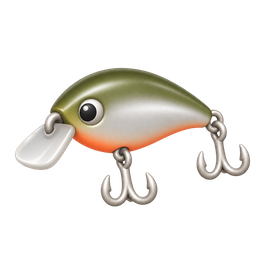
Retrieve a slender minnow plug steadily over shallows or along a stone bank. Choose a shallow runner where the lure must pass above rocks or weed, and a deeper model for a lower ledge. Mix slow winding with brief pauses, allowing for whether the plug floats, suspends or sinks. Try this where baitfish are using the margins, without treating darkness alone as proof that fish are feeding there. |
 Blade baits |
Spinning |
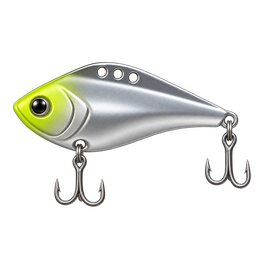
Lift a compact metal blade bait until it vibrates, then follow its fall. Choose enough weight to reach the intended layer above clear bottom. Use short lifts when casting or working vertically beneath a boat, keeping contact as it drops. Its metal body vibrates without a rotating blade; keep exposed hooks away from branches and thick weed. |
 Lipless crankbaits |
Spinning |
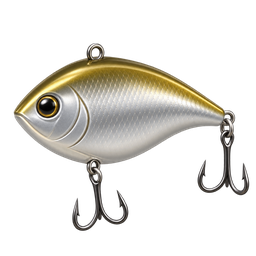
Work a sinking lipless crankbait through the fish layer with lifts and pauses. Count it down before retrieving, or lower it beneath the boat for a vertical presentation. Start each lift gently until the body vibrates and control the fall rather than giving it a completely slack line. Search suspended fish as well as those near the bed, leaving room above bottom obstacles. |
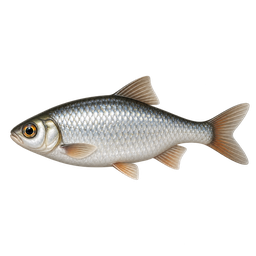 Dead baitfish |
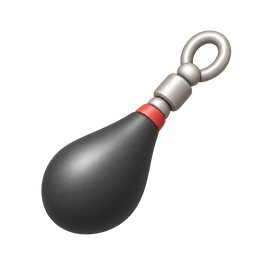 Bottom fishing 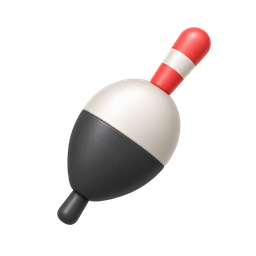 Float fishing |
Present a small dead baitfish on clear bottom and respond promptly to takes. Secure the bait with the hook points clear and use a trace suited to the predators present, including pike where relevant. A running-lead arrangement lets line pass through the weight attachment but still needs sensitive indication. Stay with the rod and respond to a take without waiting for the fish to move several metres or swallow the bait. |
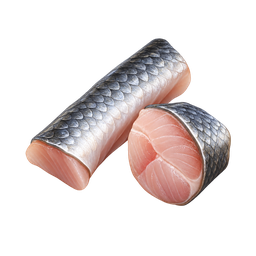 Fish pieces |
Bottom fishingFloat fishing |
Place a fish section on clear bottom beside a ledge and watch the bite indicator. Hook through firm skin or a tail root so the piece stays secure without masking the point. Use an abrasion-resistant hooklink and appropriate bite protection where pike may take the bait. Keep the rig outside snags and respond promptly to bites instead of using a timed delay. |
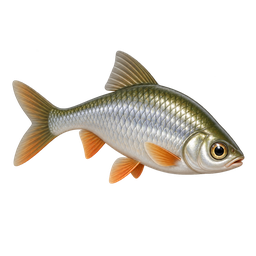 Live baitfish |
Float fishing |
Suspend a live baitfish at the target depth only where live bait is permitted. Choose a float with enough buoyancy to support the bait while still showing a take. Use locally permitted baitfish and a trace suited to the predators present. Keep the bait clear of weed and timber, watch the float continuously and respond promptly rather than allowing a prolonged run. |
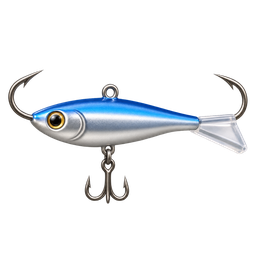 Balanced jigs |
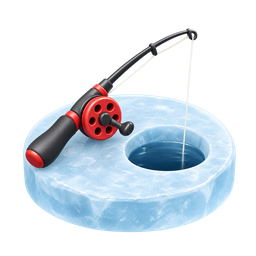 Ice fishing |
Lift a balanced jig and let it sweep back beneath the hole before moving again. Keep it above the bed with enough room for its sideways swing. Alternate small lifts with pauses, then change depth if fish rise or remain suspended. Choose the size and weight for depth and the available space rather than assuming every winter fish is in the deepest hole. |
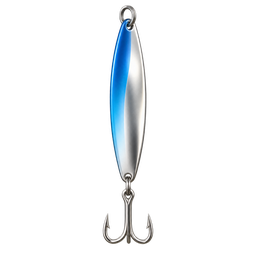 Jigging spoons |
Ice fishing |
Lift a narrow jigging spoon near the fish and pause after its controlled fall. Use a modest stroke that gives the spoon room to flutter without striking bottom obstacles. Keep contact as it settles and alternate active lifts with quieter holds. Move the presentation higher if fish are suspended; do not force a fixed pause length on every situation. |
Retrieve a lure, varying its depth, speed and pauses.
Hold bait on the bottom with a lead; watch a bite indicator.
Set bait depth with a float and watch it for bites.
Tow a lure or bait behind a moving boat at the depth where fish are holding.
Present a lure or natural bait through an ice hole at the depth of the fish.
FAQ
The BiteRadar guide recommends paddle-tail shads, curly-tail grubs, soft jerkbaits and fork-tail minnows, soft plastic worms, soft leech imitations, soft crayfish, creature baits, plugs, blade baits, lipless crankbaits, dead baitfish, fish pieces, live baitfish, balanced jigs and jigging spoons, each with its own fishing method and presentation.
The best spots for zander are piers and stone banks, slopes beside deeper water, current breaks, changes in bottom depth, submerged timber, rocky reefs and points, edges of baitfish shoals and foot of the marginal slope.
The guide covers spinning, bottom fishing, float fishing, trolling and ice fishing. Each method lists its own lures and how to fish them.
In the BiteRadar model, dawn, dusk and night are usually the best times for zander. The exact hours change every day with light, weather and water temperature, so check the hourly forecast for your spot.
Most active in water around 12–24 °C. In colder water activity slows down gradually. Above the optimum activity drops, and in very warm water it falls sharply. Other conditions can still raise or lower activity on a given day.
Same lures, other fish
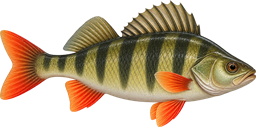 Perch8 shared lures
Paddle-tail shadsCurly-tail grubsSoft jerkbaits and fork-tail minnowsSoft crayfishPlugsBlade baitsJigging spoonsBalanced jigs
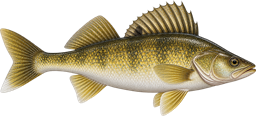 Walleye7 shared lures
Paddle-tail shadsCurly-tail grubsSoft jerkbaits and fork-tail minnowsPlugsLive baitfishJigging spoonsBalanced jigs
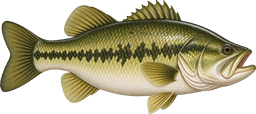 Largemouth Bass7 shared lures
Soft plastic wormsSoft jerkbaits and fork-tail minnowsSoft crayfishCreature baitsPaddle-tail shadsLipless crankbaitsLive baitfish
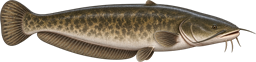 Wels Catfish5 shared lures
Dead baitfishLive baitfishPaddle-tail shadsPlugsBlade baits
Free on iOS and Android

Scan with your phone to get the app
 BiteRadar
Zander · Fishing forecast