Polski
 Deutsch
 Čeština
 Slovenčina
 Magyar
 Français
 Nederlands
 Svenska
 Dansk
 Norsk
 Suomi
Water temperature
20–24 °C
20–24 °C
0102030
In colder water activity slows down gradually. Above the optimum activity drops, and in very warm water it falls sharply.
Where walleye hold, how to fish for them and which lures work, from the BiteRadar species guide. The app forecasts walleye activity hour by hour for the water you fish.
When to fish
Quick answer
Most active in water around 20–24 °C. In the BiteRadar model, dawn, dusk and night are usually the best times for walleye. The exact hours change every day with light, weather and water temperature, so check the hourly forecast for your spot.
Water temperature
20–24 °C
In colder water activity slows down gradually. Above the optimum activity drops, and in very warm water it falls sharply.
Best times of day
Dawn&Dusk&Night
Exact hours shift every day with sunrise, sunset and weather.
What stands out for this species
Where to fish
Quick answer
Look for walleye at rocky reefs and points, slopes beside deeper water, submerged weed edges, changes in bottom depth, edges of baitfish shoals and current breaks.
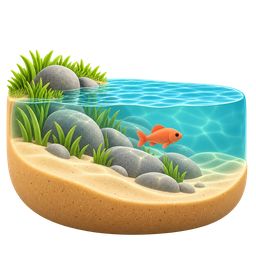
Search rocky reefs, gravel bars and points where baitfish gather.
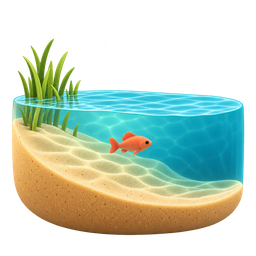
Follow hump edges and drop-offs, adjusting fishing depth to the fish.
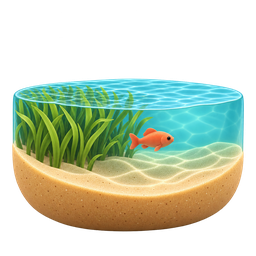
Check outer weed edges and clear lanes between submerged plants.
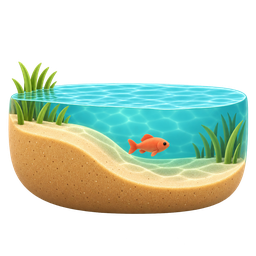
Search channel edges, shelves and the foot of slopes.
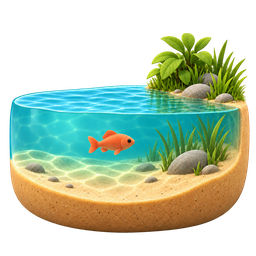
Search around offshore baitfish shoals as well as along the bottom.
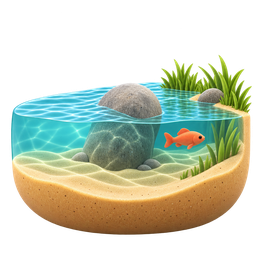
Work slower pockets beside current seams, rocks and other obstructions.
Lures and methods
Quick answer
Paddle-tail shads, curly-tail grubs, soft jerkbaits and fork-tail minnows, hair jigs, plugs and live baitfish for spinning; plugs and worms for trolling; worms, fishing leeches and live baitfish for bottom fishing or float fishing; jigging spoons, balanced jigs and live baitfish for ice fishing.
| Lure or bait | Method | How to fish it |
|---|---|---|
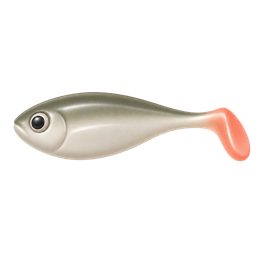 Paddle-tail shads |
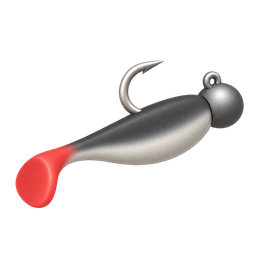 Spinning |
Swim a paddle-tail shad over a reef edge or jig it along a clear drop-off. Start around 7 to 10 cm on a straight-rigged jig head, adjusting the profile to local baitfish. Use short lifts and controlled falls, or wind steadily when fish are suspended. For vertical jigging, keep the line near vertical and use enough weight to control the lure without dragging it far behind the boat. |
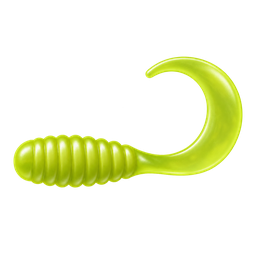 Curly-tail grubs |
Spinning |
Swim a curly-tail grub slowly above bottom along a reef or channel edge. Start with a 7 to 10 cm grub and leave its tail clear of the hook bend. Let the jig reach the chosen depth before winding just fast enough to keep the tail moving. Mix steady swimming with short hops, adjusting weight for current and depth. |
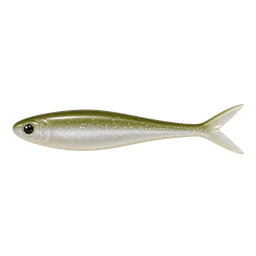 Soft jerkbaits and fork-tail minnows |
Spinning |
Lift a slim soft minnow near the fish, then let it settle between movements. Use a 7 to 12 cm straight or fork-tail model on a jig head, keeping the body straight. Cast across a reef edge and follow each short lift with a controlled fall. Beneath a boat, hold it near fish depth and use small lifts with pauses, adjusting boat position to keep the line close to vertical. |
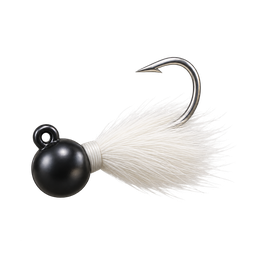 Hair jigs |
Spinning |
Swim a hair jig slowly over a reef or lift it gently beside a drop-off. Choose a compact baitfish profile and enough head weight to reach the intended layer. Let the hair move during slow swimming and pauses rather than snapping the rod on every retrieve. Keep contact as it sinks and use the same restrained motion when fishing vertically beneath a boat. |
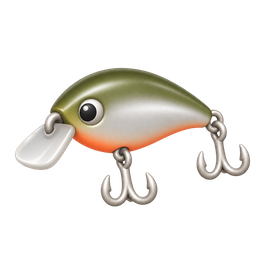 Plugs |
Spinning Trolling |
Retrieve a baitfish-shaped plug across points, reef edges or weed lines. Choose a diving depth that passes near the fish. Mix steady winding with pauses where the lure has space to work above the bottom or vegetation. |
 Live baitfish |
Spinning Bottom fishing  Float fishing 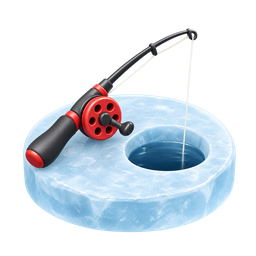 Ice fishing |
Present a baitfish on a jig head with short lifts and controlled falls. Choose enough weight to feel the presentation at the required depth. Work it from a cast or beneath the boat, using baitfish permitted for that water. |
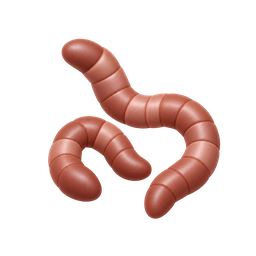 Worms |
TrollingBottom fishingFloat fishing |
Tow a nightcrawler on a harness with its blade turning steadily. Thread the worm onto the harness hooks while leaving its tail free to move. A bottom bouncer carries it near the bottom; use a suitable weighted rig to present it higher when fish are suspended. |
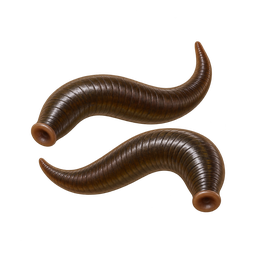 Fishing leeches |
Bottom fishingFloat fishing |
Present a fishing leech near the bottom on a sliding-sinker rig. Hook it through the sucker end so the body can move freely. Use a fishing bait species appropriate to the region and watch for light takes. |
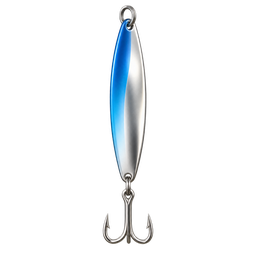 Jigging spoons |
Ice fishing |
Lift a jigging spoon near the fish, let it fall and pause. A small piece of baitfish can be added to the hook. Alternate active strokes with quieter holds and change depth if fish rise toward the lure. |
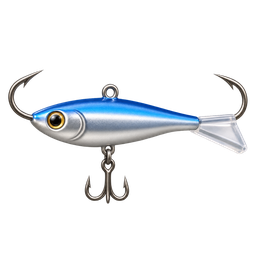 Balanced jigs |
Ice fishing |
Lift a balanced jig and let it swing back before the next stroke. Pause between movements and check the layer just above the fish. Give its sideways action room to work clear of weeds or bottom obstacles. |
Retrieve a lure, varying its depth, speed and pauses.
Tow a lure or bait behind a moving boat at the depth where fish are holding.
Hold bait on the bottom with a lead; watch a bite indicator.
Set bait depth with a float and watch it for bites.
Present a lure or natural bait through an ice hole at the depth of the fish.
FAQ
The BiteRadar guide recommends paddle-tail shads, curly-tail grubs, soft jerkbaits and fork-tail minnows, hair jigs, plugs, live baitfish, worms, fishing leeches, jigging spoons and balanced jigs, each with its own fishing method and presentation.
The best spots for walleye are rocky reefs and points, slopes beside deeper water, submerged weed edges, changes in bottom depth, edges of baitfish shoals and current breaks.
The guide covers spinning, trolling, bottom fishing, float fishing and ice fishing. Each method lists its own lures and how to fish them.
In the BiteRadar model, dawn, dusk and night are usually the best times for walleye. The exact hours change every day with light, weather and water temperature, so check the hourly forecast for your spot.
Most active in water around 20–24 °C. In colder water activity slows down gradually. Above the optimum activity drops, and in very warm water it falls sharply. Other conditions can still raise or lower activity on a given day.
Same lures, other fish
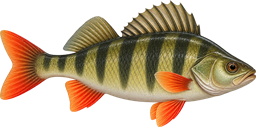 Perch7 shared lures
Paddle-tail shadsCurly-tail grubsSoft jerkbaits and fork-tail minnowsPlugsWormsJigging spoonsBalanced jigs
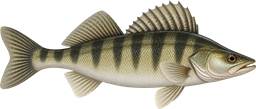 Zander7 shared lures
Paddle-tail shadsCurly-tail grubsSoft jerkbaits and fork-tail minnowsPlugsLive baitfishBalanced jigsJigging spoons
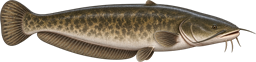 Wels Catfish4 shared lures
Live baitfishWormsPaddle-tail shadsPlugs
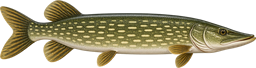 Pike3 shared lures
Paddle-tail shadsCurly-tail grubsPlugs
Free on iOS and Android

Scan with your phone to get the app
 BiteRadar
Walleye · Fishing forecast