Polski
 Deutsch
 Čeština
 Slovenčina
 Magyar
 Français
 Nederlands
 Svenska
 Dansk
 Norsk
 Suomi
Water temperature
10–18 °C
10–18 °C
0102030
In colder water activity slows down gradually. Above the optimum activity drops, and in very warm water it falls sharply.
Where pike hold, how to fish for them and which lures work, from the BiteRadar species guide. The app forecasts pike activity hour by hour for the water you fish.
When to fish
Quick answer
Most active in water around 10–18 °C. In the BiteRadar model, dawn and dusk are usually the best times for pike. The exact hours change every day with light, weather and water temperature, so check the hourly forecast for your spot.
Water temperature
10–18 °C
In colder water activity slows down gradually. Above the optimum activity drops, and in very warm water it falls sharply.
Best times of day
Dawn&Dusk
Exact hours shift every day with sunrise, sunset and weather.
Where to fish
Quick answer
Look for pike at reed edges, submerged weed edges, edges of baitfish shoals, submerged timber, slopes beside deeper water and current breaks.
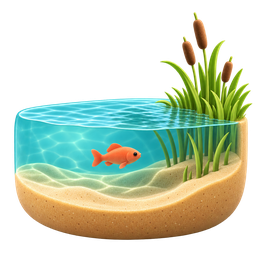
Work reed edges and openings where clear water meets cover.
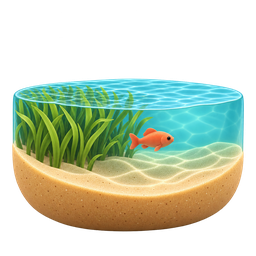
Search above submerged weeds and along their outer edges and gaps.
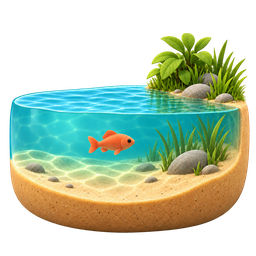
Search the edges of baitfish shoals, including those suspended offshore.
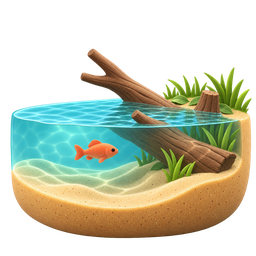
Work the outside of fallen trees and stumps rather than casting deep into branches.
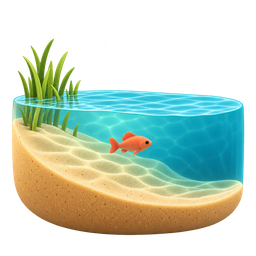
Work drop-offs and hump edges near cover or baitfish.
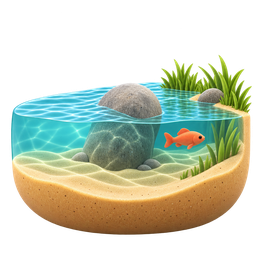
Search slack pockets beside the current and behind wood or bankside cover.
Lures and methods
Quick answer
Paddle-tail shads, curly-tail grubs, glide baits, spoons, plugs and spinners for spinning; streamers for fly fishing; plugs and spoons for trolling; dead baitfish for bottom fishing or float fishing.
Wire or titanium leader, every time. Pike teeth cut ordinary line, so every lure and bait below is fished on a wire or titanium leader.
| Lure or bait | Method | How to fish it |
|---|---|---|
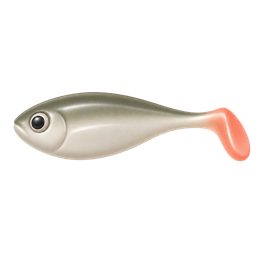 Paddle-tail shads |
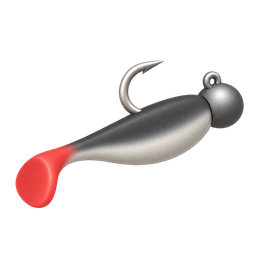 Spinning |
Swim a paddle-tail shad above weeds. Start with a 12 to 20 cm shad and adjust to the baitfish and tackle you are using. Use a shallow rig over weed tops or add weight to follow a drop-off. Keep the tail working on a steady retrieve and allow controlled falls only where the lure has room to sink. |
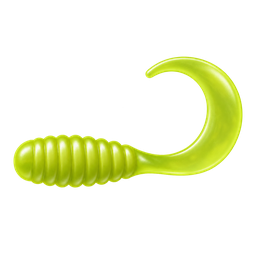 Curly-tail grubs |
Spinning |
Swim a large curly-tail lure slowly. Choose a pike-sized body and a hook arrangement that leaves the long tail free. Use steady winding and gentle speed changes along weed edges, adjusting weight to stay above the cover. Check that the tail has not folded over a hook after casting. |
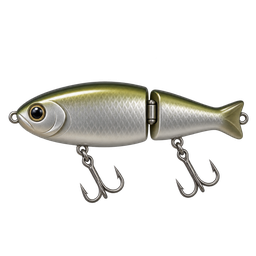 Glide baits |
Spinning |
Glide a hard bait beside cover with pauses. Give it open water for its side-to-side sweep. Use short pulls or steady winding according to the model, rather than hard jerks on every cast. Watch its sinking or rising behaviour during pauses so it stays above weeds and clear of branches. |
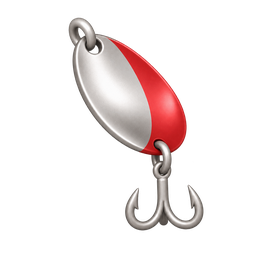 Spoons |
Spinning Trolling |
Wobble a spoon above submerged weeds. Wind at a pace that keeps the spoon swaying rather than spinning. Pause over clear water to let it flutter down, allowing for its sinking depth above the weeds. |
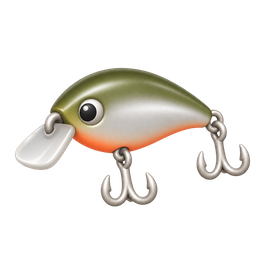 Plugs |
SpinningTrolling |
Retrieve a diving plug along cover. Choose a diving depth that takes it above weeds or along the edge of a drop-off. Mix steady winding with brief pauses, allowing a floating model to rise clear of an obstacle. Use hooks and fittings strong enough for pike; glide baits have their own presentation. |
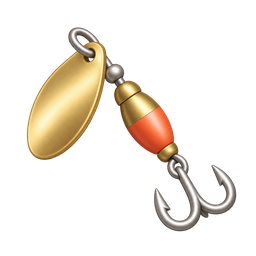 Spinners |
Spinning |
Keep the blade turning along weed edges. Vary the sinking time before retrieving to search different depths. Use only enough speed to keep the blade working while staying above the vegetation. |
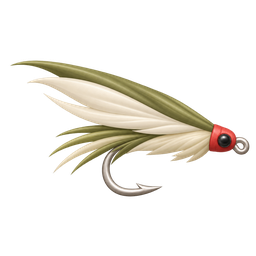 Streamers |
 Fly fishing |
Strip a large streamer beside cover. Retrieve the fly with short pulls of the line and pauses. Choose the line and sinking time for the layer you want to fish; a sinking fly continues to descend during a pause. |
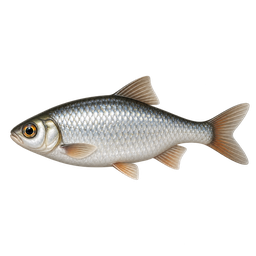 Dead baitfish |
 Bottom fishing  Float fishing |
Present a deadbait near the bottom. Place it on clear ground beside cover or a baitfish shoal. Use reliable bite indication, stay with the rod and respond promptly to a take to reduce deep hooking. |
Retrieve a lure, varying its depth, speed and pauses.
Cast an artificial fly; imitate prey with drift or retrieve.
Tow a lure or bait behind a moving boat at the depth where fish are holding.
Hold bait on the bottom with a lead; watch a bite indicator.
Set bait depth with a float and watch it for bites.
FAQ
The BiteRadar guide recommends paddle-tail shads, curly-tail grubs, glide baits, spoons, plugs, spinners, streamers and dead baitfish, each with its own fishing method and presentation.
The best spots for pike are reed edges, submerged weed edges, edges of baitfish shoals, submerged timber, slopes beside deeper water and current breaks.
The guide covers spinning, fly fishing, trolling, bottom fishing and float fishing. Each method lists its own lures and how to fish them.
In the BiteRadar model, dawn and dusk are usually the best times for pike. The exact hours change every day with light, weather and water temperature, so check the hourly forecast for your spot.
Most active in water around 10–18 °C. In colder water activity slows down gradually. Above the optimum activity drops, and in very warm water it falls sharply. Other conditions can still raise or lower activity on a given day.
Yes. Pike teeth cut ordinary line, so every method in this guide uses a wire or titanium leader.
Same lures, other fish
Free on iOS and Android

Scan with your phone to get the app
 BiteRadar
Pike · Fishing forecast