Polski
 Deutsch
 Čeština
 Slovenčina
 Magyar
 Français
 Nederlands
 Svenska
 Dansk
 Norsk
 Suomi
Water temperature
14–24 °C
14–24 °C
0102030
In colder water activity slows down gradually. Above the optimum activity drops, and in very warm water it falls sharply.
Where perch hold, how to fish for them and which lures work, from the BiteRadar species guide. The app forecasts perch activity hour by hour for the water you fish.
When to fish
Quick answer
Most active in water around 14–24 °C. In the BiteRadar model, dawn and dusk are usually the best times for perch. The exact hours change every day with light, weather and water temperature, so check the hourly forecast for your spot.
Water temperature
14–24 °C
In colder water activity slows down gradually. Above the optimum activity drops, and in very warm water it falls sharply.
Best times of day
Dawn&Dusk
Exact hours shift every day with sunrise, sunset and weather.
Where to fish
Quick answer
Look for perch at piers and stone banks, submerged weed edges, edges of baitfish shoals, submerged timber, slopes beside deeper water, current breaks and deeper canal water.
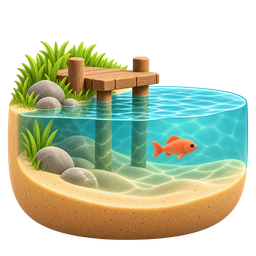
Search pier supports and stone edges where small fish gather.
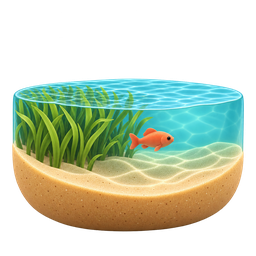
Work weed edges and clear pockets where small fish can gather.
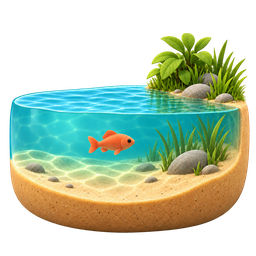
Follow baitfish shoals in open water and fish at their depth.
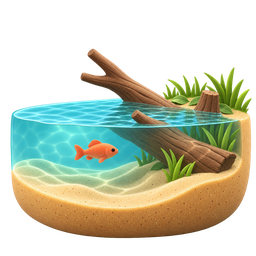
Work around branches and stumps, keeping the lure close to their outer edges.
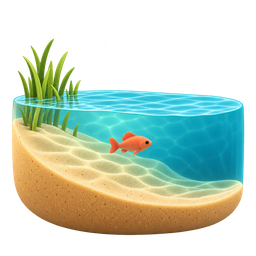
Search rocky humps and drop-offs, checking several depths along the slope.
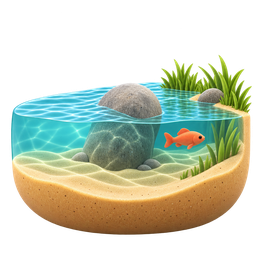
Check slower pockets beside the flow around bridge supports, rocks and wood.
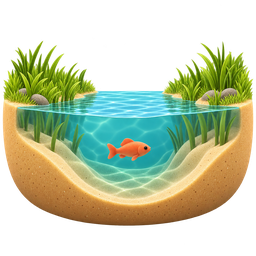
Check the canal centre and deeper sections as well as the banks.
Lures and methods
Quick answer
Paddle-tail shads, curly-tail grubs, soft jerkbaits and fork-tail minnows, soft crayfish, soft insect larvae, spinners, spoons, plugs, blade baits and tail spinners for spinning; worms and maggots for float fishing; worms for bottom fishing or classic feeder; mormyshkas, jigging spoons and balanced jigs for ice fishing.
| Lure or bait | Method | How to fish it |
|---|---|---|
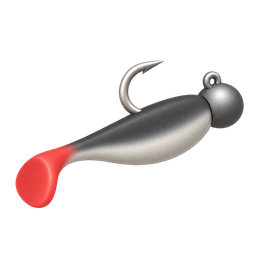
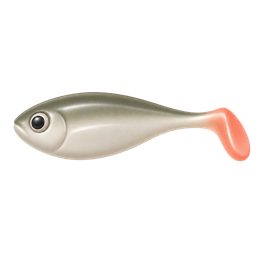 Paddle-tail shads |
 Spinning |
Swim a small paddle-tail shad beside weed edges or jig it down a drop-off. Start with a 5 to 8 cm shad rigged straight on a jig head, then adjust size to the local baitfish. Use short lifts and controlled falls near the bottom, or retrieve steadily through a suspended shoal. Choose the lightest head that still lets you control depth and feel the lure. |
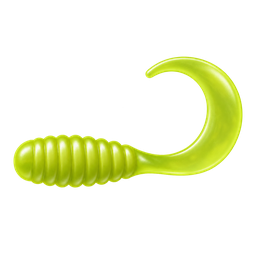 Curly-tail grubs |
Spinning |
Swim a small twister slowly along cover, keeping its curled tail moving. A 4 to 7 cm grub is a useful starting point on a light jig head. Keep the tail clear of the hook bend and alternate steady swimming with short hops. A Cheburashka weight and separate hook allow the body to pivot; choose an offset hook when sparse vegetation makes an exposed hook awkward. |
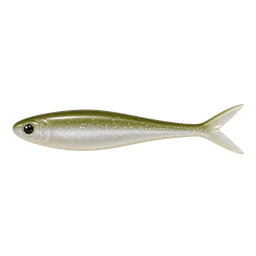 Soft jerkbaits and fork-tail minnows |
Spinning |
Twitch a slim soft minnow beside cover or hold it above a drop-shot weight. Start around 5 to 8 cm and use small movements followed by pauses. For drop shot, tie the hook above the end weight and present the lure horizontally, gently shaking the rod tip without constantly moving the sinker. On a jig head, use short lifts and let the slim tail settle between them. |
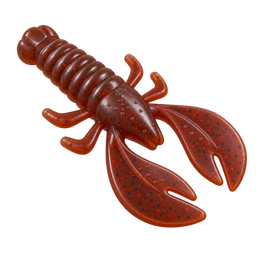 Soft crayfish |
Spinning |
Hop a small soft crayfish beside stones or timber, pausing on clear bottom. Try a compact 3 to 6 cm body with claws that move freely. Use a light jig head on clean ground, or an offset hook with a small bullet weight for a Texas rig beside cover. Move it in short steps and pause; avoid burying the bait in branches or dense weed. |
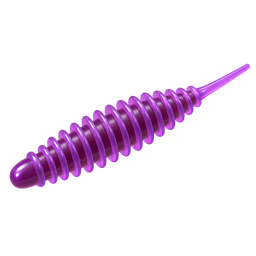 Soft insect larvae |
Spinning |
Present a small soft larva near the bottom with gentle shakes and pauses. Start with a compact 2 to 5 cm imitation on a light jig head, keeping its legs free. A drop-shot rig holds it above silt or low weed while the weight stays below. Use restrained movements and longer holds when perch follow without taking. |
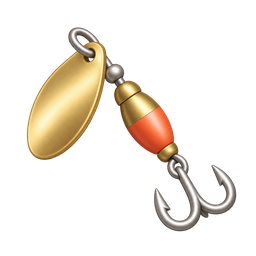 Spinners |
Spinning |
Retrieve a small spinner past cover while keeping the blade turning. Let it sink before winding to reach deeper water. Vary the sinking time and retrieve speed to search around piers, weed edges and shoals of small fish. |
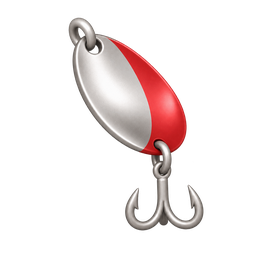 Spoons |
Spinning |
Retrieve a small spoon beside a weed edge, letting it wobble and flutter. Start with a compact 3 to 5 cm model and choose its weight for depth and casting distance. Wind just fast enough to keep it swaying rather than spinning. Add brief pauses over clear water, watching the line as the spoon falls. |
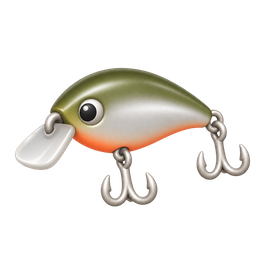 Plugs |
Spinning |
Work a small plug beside cover with steady winding and brief pauses. Choose its diving depth to pass near the fish without burying it in weeds. Try short twitches between pauses with a minnow-shaped plug designed for that action. |
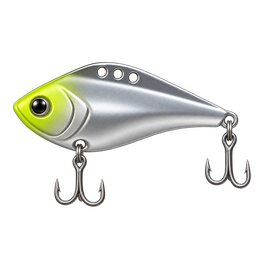 Blade baits |
Spinning |
Lift a compact blade bait over clear bottom, then follow its controlled fall. Start with a small model around 3 to 5 cm and enough weight to reach the shoal. Lift only until you feel the thin metal body vibrate, then lower it without losing contact. Keep it away from thick weeds and branches; unlike a tail spinner, it has no rotating rear blade. |
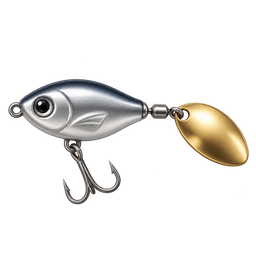 Tail spinners |
Spinning |
Count down a compact tail spinner and retrieve it through the perch shoal. Choose a small body and a weight suited to the depth rather than judging by weight alone. Keep the rear blade turning on a steady retrieve, then try short lifts and controlled falls. Search different layers beside baitfish and keep exposed hooks above vegetation. |
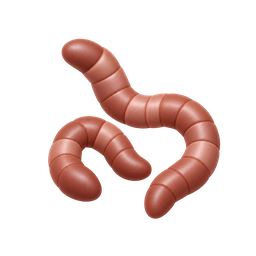 Worms |
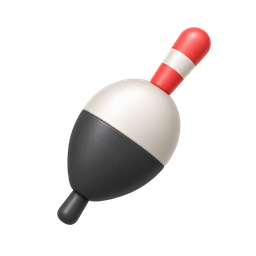 Float fishing 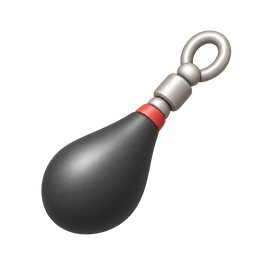 Bottom fishing 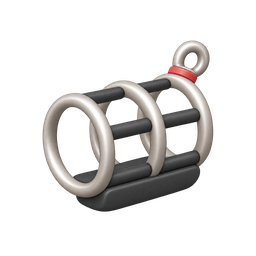 Classic feeder |
Suspend a worm beside cover with part of it left moving freely. Start just above the bottom near a pier, weed edge or submerged branch. Adjust the float to present the bait higher if the fish are feeding above the bottom. |
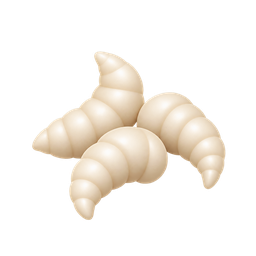 Maggots |
Float fishing |
Present a few maggots under a float near cover or a feeding shoal. Hook them lightly through the blunt end. Adjust the depth to where bites occur and add loose feed sparingly rather than covering a wide area. |
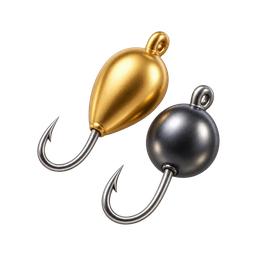 Mormyshkas |
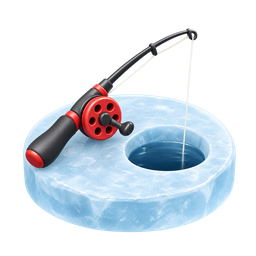 Ice fishing |
Work a small mormyshka with gentle movements and pauses at fish depth. Tip the hook with a small natural bait such as a bloodworm. Try small lifts and brief holds, changing depth when the fish move higher in the water. |
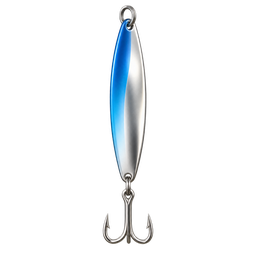 Jigging spoons |
Ice fishing |
Lift a jigging spoon, let it flutter down and pause between strokes. Start near the bottom and check higher layers if fish follow the lure. Keep enough contact during the fall to notice a take without stopping the spoon's movement. |
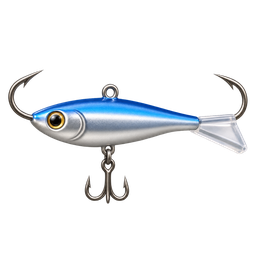 Balanced jigs |
Ice fishing |
Use short lifts and pauses to let a balanced jig swim out and return. Allow room for its sideways movement away from weeds or branches. Change the fishing depth as you search rather than working only just above the bottom. |
Retrieve a lure, varying its depth, speed and pauses.
Set bait depth with a float and watch it for bites.
Hold bait on the bottom with a lead; watch a bite indicator.
Feed with a cage or blockend feeder; watch the quivertip for bites.
Present a lure or natural bait through an ice hole at the depth of the fish.
FAQ
The BiteRadar guide recommends paddle-tail shads, curly-tail grubs, soft jerkbaits and fork-tail minnows, soft crayfish, soft insect larvae, spinners, spoons, plugs, blade baits, tail spinners, worms, maggots, mormyshkas, jigging spoons and balanced jigs, each with its own fishing method and presentation.
The best spots for perch are piers and stone banks, submerged weed edges, edges of baitfish shoals, submerged timber, slopes beside deeper water, current breaks and deeper canal water.
The guide covers spinning, float fishing, bottom fishing, classic feeder and ice fishing. Each method lists its own lures and how to fish them.
In the BiteRadar model, dawn and dusk are usually the best times for perch. The exact hours change every day with light, weather and water temperature, so check the hourly forecast for your spot.
Most active in water around 14–24 °C. In colder water activity slows down gradually. Above the optimum activity drops, and in very warm water it falls sharply. Other conditions can still raise or lower activity on a given day.
Same lures, other fish
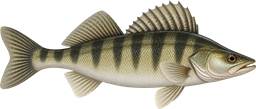 Zander8 shared lures
Paddle-tail shadsCurly-tail grubsSoft jerkbaits and fork-tail minnowsSoft crayfishPlugsBlade baitsBalanced jigsJigging spoons
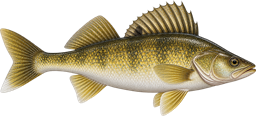 Walleye7 shared lures
Paddle-tail shadsCurly-tail grubsSoft jerkbaits and fork-tail minnowsPlugsWormsJigging spoonsBalanced jigs
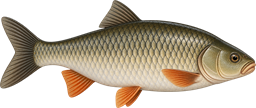 Chub6 shared lures
SpinnersPlugsSoft insect larvaePaddle-tail shadsMaggotsWorms
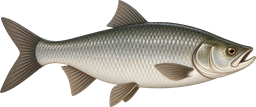 Asp6 shared lures
PlugsSpoonsPaddle-tail shadsSoft jerkbaits and fork-tail minnowsBlade baitsTail spinners
Free on iOS and Android

Scan with your phone to get the app
 BiteRadar
Perch · Fishing forecast