Polski
 Deutsch
 Čeština
 Slovenčina
 Magyar
 Français
 Nederlands
 Svenska
 Dansk
 Norsk
 Suomi
Water temperature
16–22 °C
16–22 °C
0102030
In colder water activity slows down gradually. Above the optimum activity drops, and in very warm water it falls sharply.
Where chub hold, how to fish for them and which lures work, from the BiteRadar species guide. The app forecasts chub activity hour by hour for the water you fish.
When to fish
Quick answer
Most active in water around 16–22 °C. In the BiteRadar model, dawn, dusk and night are usually the best times for chub. The exact hours change every day with light, weather and water temperature, so check the hourly forecast for your spot.
Water temperature
16–22 °C
In colder water activity slows down gradually. Above the optimum activity drops, and in very warm water it falls sharply.
Best times of day
Dawn&Dusk&Night
Exact hours shift every day with sunrise, sunset and weather.
Where to fish
Quick answer
Look for chub at low branches over flowing water, submerged timber, piers and stone banks, current breaks, rocky reefs and points, river pools with cover and slopes beside deeper water.
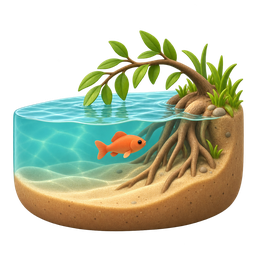
Drift beside low branches, watching for fish taking insects carried by the current.
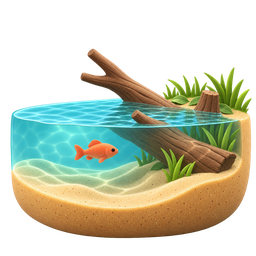
Search the outside of roots and fallen timber, leaving room to control a hooked fish.
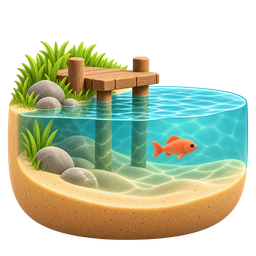
Work stone-bank edges and sheltered pockets beside bridge supports.
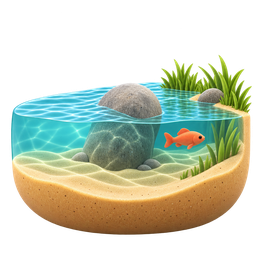
Explore the boundary between fast flow and quieter water behind obstructions.
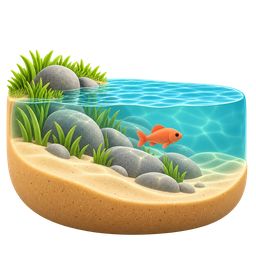
Search rocky runs and their slower pockets, keeping the lure clear of shallow stones.
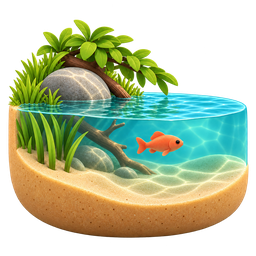
Check covered river pools and deeper bank-side runs as conditions change.
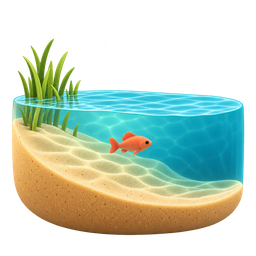
Explore reservoir margins where cover meets a slope into deeper water.
Lures and methods
Quick answer
Floating insect lures, diving crankbaits, spinners, plugs, soft insect larvae and paddle-tail shads for spinning; bread, maggots, casters and worms for float fishing; bread, worms, luncheon meat and fishing paste for bottom fishing; bread, maggots and worms for classic feeder; dry flies, nymphs and streamers for fly fishing.
| Lure or bait | Method | How to fish it |
|---|---|---|
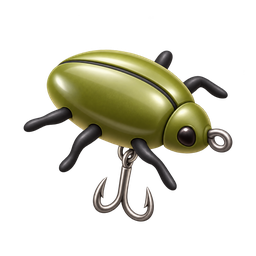 Floating insect lures |
 Spinning |
Drift a floating insect lure under branches or draw a gentle wake across the current. Try a small beetle-shaped lure around 1.5 to 3.5 cm where fish are taking insects. Cast upstream of the cover and guide the drift without pulling the lure straight out of its path. Add a slow waking retrieve or a brief hold at the edge of the current. |
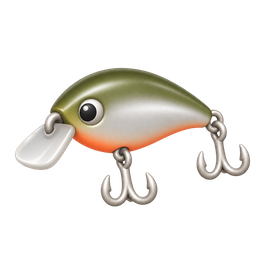 Diving crankbaits |
Spinning |
Guide a small crankbait across the current seam beside stones or cover. A 2.5 to 4.5 cm body is a starting point. Choose a diving depth that clears the bed and wind slowly enough for a stable wobble. Briefly hold it in the flow if the current keeps it working, then resume the retrieve. |
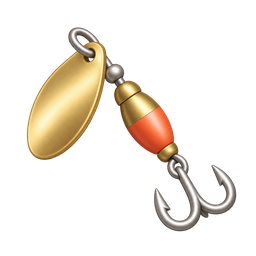 Spinners |
Spinning |
Retrieve a small spinner through a quiet pocket beside the main flow. Start with a blade size around 00 to 2 and check that it turns at the chosen speed. Cast across or slightly upstream and control its depth as it swings. Raise the rod or begin winding sooner to clear shallow stones. |
| Plugs |
Spinning |
Work a slim diving minnow beside a deeper bank or the edge of a pool. Try a 4 to 7 cm plug with a running depth suited to the swim. Combine slow winding with short pauses, allowing for whether the lure floats, suspends or sinks. Keep the hooks outside roots and submerged wood. |
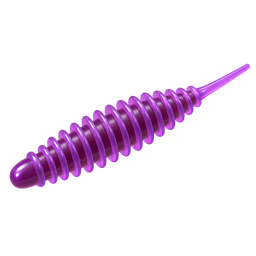 Soft insect larvae |
Spinning |
Drift a small soft larva near the bottom through a clear pocket in the current. Use a light jig head that lets you follow the drift without constantly snagging. Rig the body straight and leave the tail or legs free. Alternate a controlled drift with small lifts, changing weight as the depth or flow changes. |
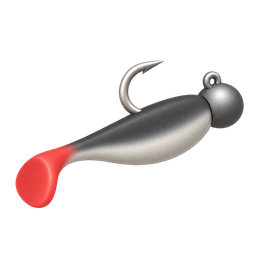
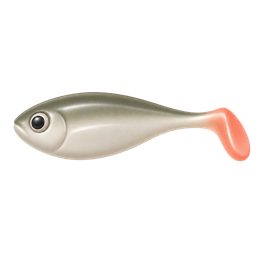 Paddle-tail shads |
Spinning |
Swim a small paddle-tail shad beside stones or through the edge of a pool. Try a 2.5 to 5 cm shad on a head matched to the flow. Wind slowly enough to keep the tail moving and add short controlled falls over clear ground. Keep the body straight and reduce weight if the lure continually catches the bed. |
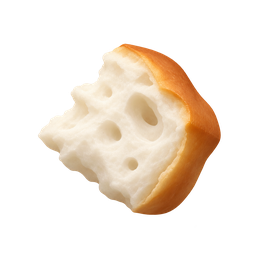 Bread |
 Float fishing  Bottom fishing 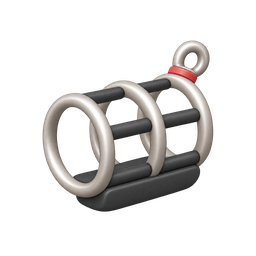 Classic feeder |
Trot a soft piece of bread along the current beside cover. Pinch the bread around the hook shank while leaving the point clear and the outer flake soft. Plumb the run and adjust depth so the bait travels through the chosen layer. Mend the line to reduce drag and replace the bread after a missed bite or damaged cast. |
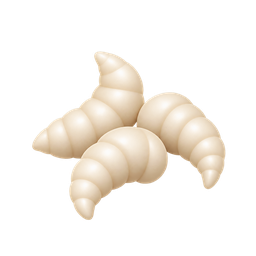 Maggots |
Float fishingClassic feeder |
Trot a small bunch of maggots through a run beside the slower bank water. Hook each maggot lightly through the blunt end and keep the point exposed. Set the float for the depth of the run, then adjust after watching the drift. Feed small amounts only as the current and fish response justify it. |
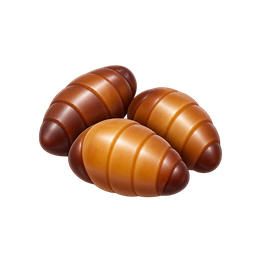 Casters |
Float fishing |
Drift casters near the bed along a steady current line. Mount a caster carefully so its shell stays intact and the hook can take hold. Plumb the swim before trotting, keeping the line from dragging the float off course. Match any loose feed to the flow and reduce it if bites slow. |
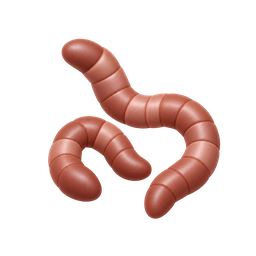 Worms |
Float fishingBottom fishingClassic feeder |
Guide a worm through a deeper run with the float under control. Attach through a firm section and leave part of the worm free to move. Set the depth to pass near the bed without snagging on every drift. Use a float that supports the bait and responds clearly when a fish takes it. |
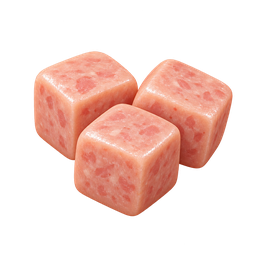 Luncheon meat |
Bottom fishing |
Set a small piece of luncheon meat beside a deeper run or quiet pocket. Mount the soft meat on a hair or hook without covering the point. Use a gentle cast and check that the bait remains secure. Adjust the portion to the hook and flow rather than assuming a larger piece always selects a larger fish. |
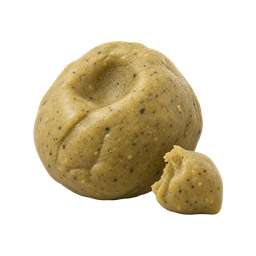 Fishing paste |
Bottom fishing |
Present soft cheese paste on clear bottom beside a current break. Mould a small portion around a suitable paste mount or the hook shank, leaving room for the hook to take hold. Test that the paste stays attached during the cast but remains soft in water. Use sensitive bite indication and check it after a missed take. |
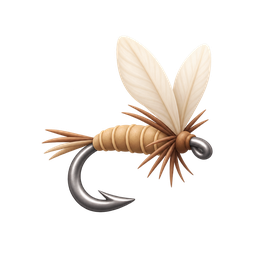 Dry flies |
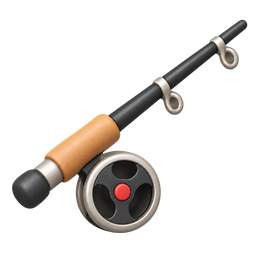 Fly fishing |
Drift a beetle or other terrestrial dry fly beneath overhanging branches. Land the fly upstream of the target and mend the line without dragging it. Match the visible insects where possible, keeping the hook clear of the dressing. Try a gentle landing first and recast when the drift leaves the feeding line. |
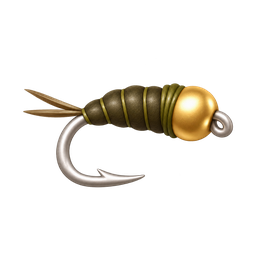 Nymphs |
Fly fishing |
Drift a weighted nymph near the bed through a run or the edge of a pool. Try a caddis, stonefly or shrimp-style imitation and select enough weight to reach the layer. Follow the drift with controlled slack so takes remain visible. Reduce weight or shorten the drift if the fly repeatedly lodges between stones. |
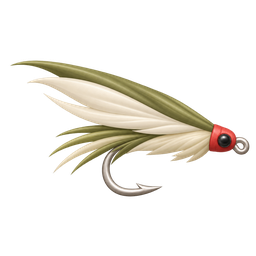 Streamers |
Fly fishing |
Strip a small streamer beside cover and pause as it crosses the current. A 4 to 8 cm Woolly Bugger or Zonker-style pattern is a starting option. Change strip length and depth to explore the swim. Keep it outside branches and follow the fly during pauses rather than leaving a large loop of slack. |
Retrieve a lure, varying its depth, speed and pauses.
Set bait depth with a float and watch it for bites.
Hold bait on the bottom with a lead; watch a bite indicator.
Feed with a cage or blockend feeder; watch the quivertip for bites.
Cast an artificial fly; imitate prey with drift or retrieve.
FAQ
The BiteRadar guide recommends floating insect lures, diving crankbaits, spinners, plugs, soft insect larvae, paddle-tail shads, bread, maggots, casters, worms, luncheon meat, fishing paste, dry flies, nymphs and streamers, each with its own fishing method and presentation.
The best spots for chub are low branches over flowing water, submerged timber, piers and stone banks, current breaks, rocky reefs and points, river pools with cover and slopes beside deeper water.
The guide covers spinning, float fishing, bottom fishing, classic feeder and fly fishing. Each method lists its own lures and how to fish them.
In the BiteRadar model, dawn, dusk and night are usually the best times for chub. The exact hours change every day with light, weather and water temperature, so check the hourly forecast for your spot.
Most active in water around 16–22 °C. In colder water activity slows down gradually. Above the optimum activity drops, and in very warm water it falls sharply. Other conditions can still raise or lower activity on a given day.
Same lures, other fish
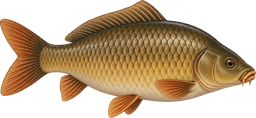 Carp8 shared lures
WormsMaggotsCastersFishing pasteBreadNymphsStreamersDry flies
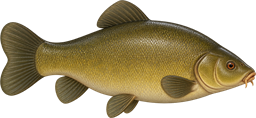 Tench8 shared lures
WormsMaggotsCastersFishing pasteBreadNymphsStreamersSoft insect larvae
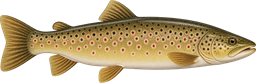 Brown Trout7 shared lures
NymphsDry fliesStreamersSpinnersPlugsPaddle-tail shadsSoft insect larvae
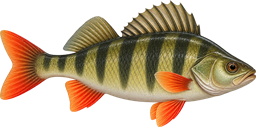 Perch6 shared lures
Paddle-tail shadsSoft insect larvaeSpinnersPlugsWormsMaggots
Free on iOS and Android

Scan with your phone to get the app
 BiteRadar
Chub · Fishing forecast