Polski
 Deutsch
 Čeština
 Slovenčina
 Magyar
 Français
 Nederlands
 Svenska
 Dansk
 Norsk
 Suomi
Water temperature
12–16 °C
12–16 °C
0102030
In colder water activity slows down gradually. Above the optimum activity drops, and in very warm water it falls sharply.
Where brown trout hold, how to fish for them and which baits work, from the BiteRadar species guide. The app forecasts brown trout activity hour by hour for the water you fish.
When to fish
Quick answer
Most active in water around 12–16 °C. The best hours depend on light, weather and water temperature on the day, so check the hourly forecast for your spot.
Water temperature
12–16 °C
In colder water activity slows down gradually. Above the optimum activity drops, and in very warm water it falls sharply.
Best times of day
The best hours depend on light, weather and water temperature on the day.
Where to fish
Quick answer
Look for brown trout at river pools with cover, low branches over flowing water, current breaks, submerged timber, changes in bottom depth and channels between river weeds.
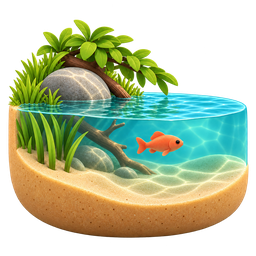
Search pool edges below riffles and deeper pockets beside rocks or undercuts.
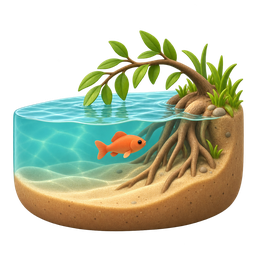
Approach low branches quietly and follow the food drifting beneath them.
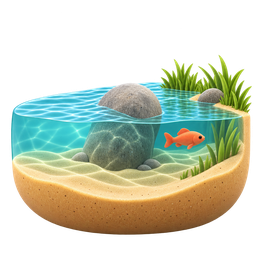
Work sheltered pockets beside boulders and the seams between faster and slower water.
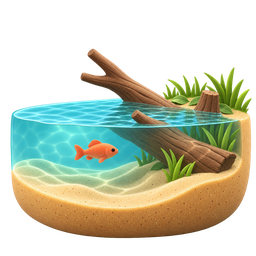
Present beside fallen wood and exposed roots, allowing for the current drift.
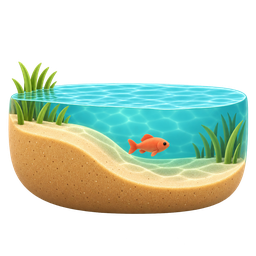
Explore deeper runs and the shallower tails where pools meet the next riffle.
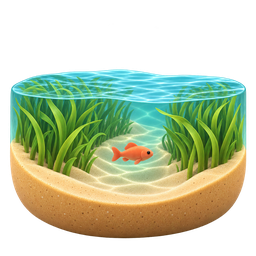
Follow clear lanes between river weeds and the drifting food along their edges.
Lures and methods
Quick answer
Nymphs, dry flies, wet flies and streamers for fly fishing; spinners, plugs, spoons, paddle-tail shads, soft insect larvae and soft leech imitations for spinning.
| Lure or bait | Method | How to fish it |
|---|---|---|
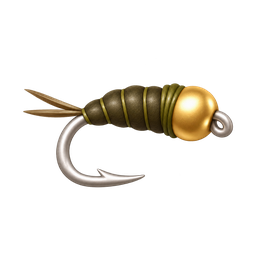 Nymphs |
 Fly fishing |
Drift a nymph close to the bed through a run or sheltered pocket. Choose a pattern matching the local food, such as a Pheasant Tail, Hare's Ear or a distinct caddis larva imitation. Adjust weight and casting position so the fly reaches depth without repeatedly snagging. Follow the drift with controlled line and watch for a pause, lift or sideways movement that may signal a take. |
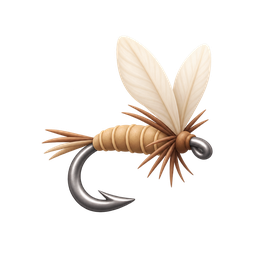 Dry flies |
Fly fishing |
Drift a dry fly without drag over the feeding lane of a rising trout. Match the observed insects and rise pattern rather than choosing a fly from the weather alone. Mayfly, caddis and terrestrial imitations cover different food shapes. Cast upstream or across as the position allows and manage slack so the current does not pull the fly unnaturally. |
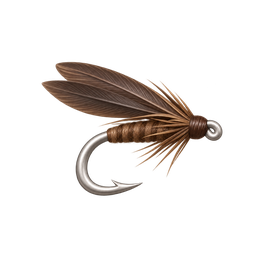 Wet flies |
Fly fishing |
Swing a wet fly through a run on a controlled arc below your position. Cast across or slightly downstream, allowing the fly to sink before it swings. Adjust line position to change speed and depth, keeping it clear of the nearest snags. A soft-hackled pattern can also be drifted more freely when fish are taking insects below the surface. |
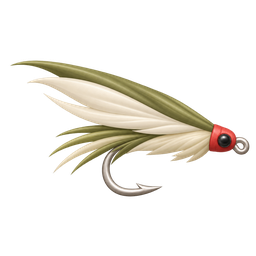 Streamers |
Fly fishing |
Work a small streamer beside undercuts or through a deeper river pocket. Use a baitfish or leech-style pattern such as a zonker or Woolly Bugger, matching weight to the flow. Mix short line pulls with pauses that let the material move. Control the line during the swing and avoid dragging the fly through submerged branches. |
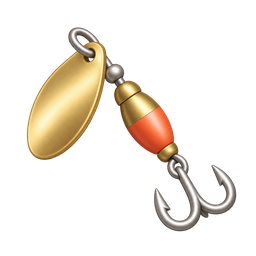 Spinners |
 Spinning |
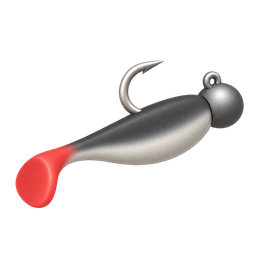
Retrieve a small spinner through a current seam while keeping the blade working. Sizes 1 to 3 are useful starting points, with weight adjusted for the stream. An upstream cast brings the lure back with the flow, so recover line fast enough to keep contact and blade rotation. A cross-stream cast lets it swing into slower pockets; match speed to its action rather than always winding slowly. |
 Plugs |
Spinning |
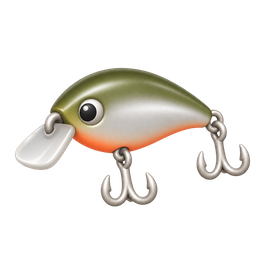
Work a small minnow plug beside rocks, undercuts and the edges of deeper runs. Choose a sinking or suspending model for the layer you want to fish and allow for current acting on the bill. Use steady winding with short twitches or pauses where the lure has room. Distinguish the direction of the cast from the retrieve: a cross-stream cast can swing downstream before the lure comes back against the flow. |
 Spoons |
Spinning |
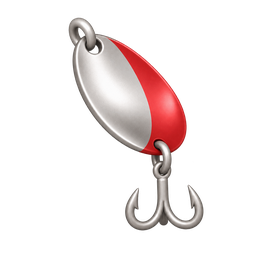
Swing a small spoon through a clear pocket, keeping its wobble controlled. Choose weight for the current and depth, not just casting distance. Let it reach the intended layer, then retrieve or guide its arc without making it spin. Brief pauses allow a fluttering fall where there is room above the bed; keep contact and avoid woody cover. |
 Paddle-tail shads |
Spinning |
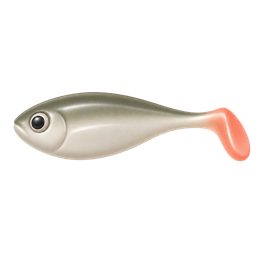
Swim a small paddle-tail shad through a run or lift it beside deeper cover. Start with a compact baitfish profile around 4 to 7 cm on a light jig head. Rig it straight and choose enough weight to control the lure without constantly scraping the bed. Use steady swimming through the flow or short lifts with a controlled fall in a quieter pocket. |
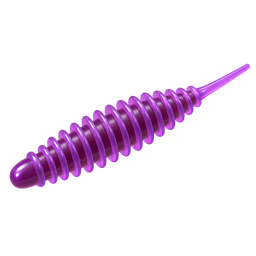 Soft insect larvae |
Spinning |
Guide a small soft larva through a bottom pocket with restrained movements. Use a compact imitation on a light jig head with the hook point clear. Allow for the current carrying it between rocks, then use small lifts to keep it moving without long aggressive jerks. Adjust weight and casting angle if it repeatedly wedges in the bed. |
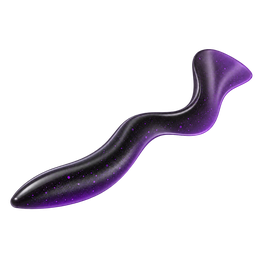 Soft leech imitations |
Spinning |
Work a slim soft leech through a sheltered run with short pulls and pauses. Rig the body straight on a light jig head and leave the thin tail free to move. Let the current help animate it, using only enough weight to reach the target. Follow its swing under control and keep pauses short enough to avoid sinking into branches or dense weed. |
Cast an artificial fly; imitate prey with drift or retrieve.
Retrieve a lure, varying its depth, speed and pauses.
FAQ
The BiteRadar guide recommends nymphs, dry flies, wet flies, streamers, spinners, plugs, spoons, paddle-tail shads, soft insect larvae and soft leech imitations, each with its own fishing method and presentation.
The best spots for brown trout are river pools with cover, low branches over flowing water, current breaks, submerged timber, changes in bottom depth and channels between river weeds.
The guide covers fly fishing and spinning. Each method lists its own baits and how to fish them.
The best hours depend on light, weather and water temperature on the day, so check the hourly forecast for your spot.
Most active in water around 12–16 °C. In colder water activity slows down gradually. Above the optimum activity drops, and in very warm water it falls sharply. Other conditions can still raise or lower activity on a given day.
Same lures, other fish
Free on iOS and Android

Scan with your phone to get the app
 BiteRadar
Brown Trout · Fishing forecast