Polski
 Deutsch
 Čeština
 Slovenčina
 Magyar
 Français
 Nederlands
 Svenska
 Dansk
 Norsk
 Suomi
Water temperature
16–22 °C
16–22 °C
0102030
In colder water activity slows down gradually. Above the optimum activity drops, and in very warm water it falls sharply.
Where asp hold, how to fish for them and which lures work, from the BiteRadar species guide. The app forecasts asp activity hour by hour for the water you fish.
When to fish
Quick answer
Most active in water around 16–22 °C. In the BiteRadar model, dawn and dusk are usually the best times for asp. The exact hours change every day with light, weather and water temperature, so check the hourly forecast for your spot.
Water temperature
16–22 °C
In colder water activity slows down gradually. Above the optimum activity drops, and in very warm water it falls sharply.
Best times of day
Dawn&Dusk
Exact hours shift every day with sunrise, sunset and weather.
Where to fish
Quick answer
Look for asp at current breaks, piers and stone banks, rocky reefs and points, changes in bottom depth, edges of baitfish shoals and slopes beside deeper water.
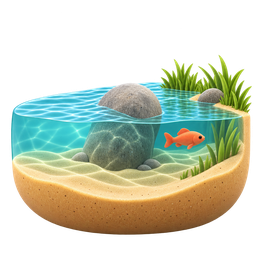
Search the seams and trailing currents behind groynes for gathering baitfish.
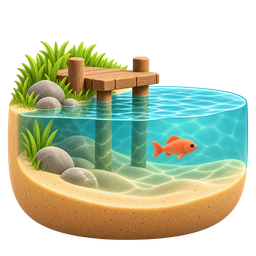
Work the channel edge beside stone banks and the flow around bridge supports.
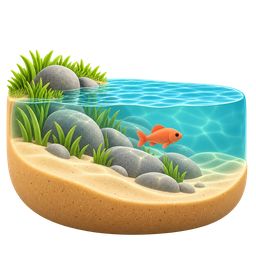
Search rocky reef edges and the current lanes beside submerged stones.
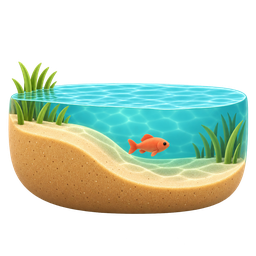
Follow the drop beside a sandbar, checking both the shallow lip and deeper water.
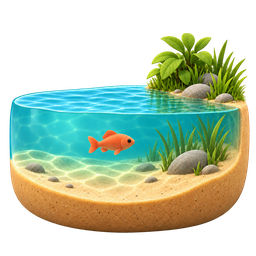
Follow baitfish in open water, checking below the surface as well as visible attacks.
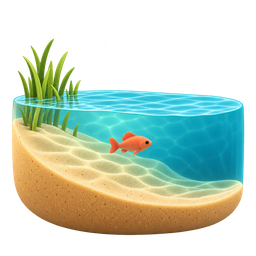
Explore deeper channel slopes when fish are absent from the shallow current lanes.
Lures and methods
Quick answer
Sinking stickbaits, plugs, spoons, surface walking baits, surface poppers, paddle-tail shads, soft jerkbaits and fork-tail minnows, blade baits and tail spinners for spinning; streamers and fly poppers for fly fishing; plugs and sinking stickbaits for trolling.
| Lure or bait | Method | How to fish it |
|---|---|---|
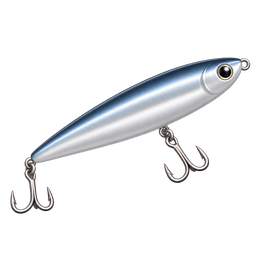 Sinking stickbaits |
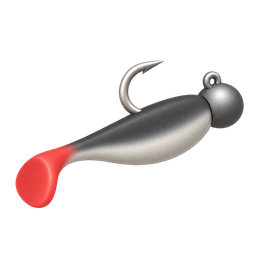 Spinning 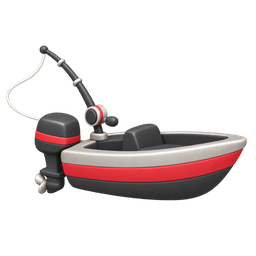 Trolling |
Retrieve a slender sinking stickbait through a current seam near the surface. Start with a slim baitfish profile around 6 to 10 cm. Begin winding promptly for a shallow pass, or let it sink before searching deeper. Adjust speed to keep the lure tracking steadily; a controlled swing across the current is another option. |
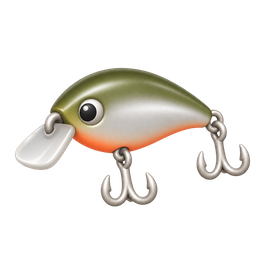 Plugs |
SpinningTrolling |
Run a slender minnow plug along a stone bank or across a baitfish shoal. A 7 to 11 cm profile is a starting point, adjusted to the local forage. Choose a running depth that clears stones and try steady winding with brief pauses. In low light, test a slower shallow pass along the bank instead of relying on one fixed feeding hour. |
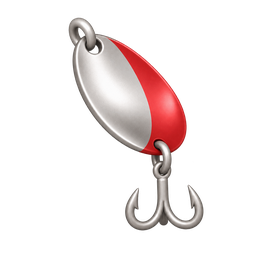 Spoons |
Spinning |
Swim a narrow spoon across the current, keeping it clear of the riverbed. Start with a slim 5 to 8 cm spoon and choose its weight for casting distance and depth. Retrieve fast enough for a stable wobble, easing off if it spins. Count it down to search a lower layer when there are no surface attacks. |
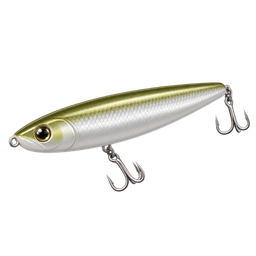 Surface walking baits |
Spinning |
Walk a floating stickbait across the surface beside visible baitfish. Try a 7 to 10 cm lure with short rod-tip taps and enough slack for it to turn sideways. Alternate a steady zigzag with brief pauses. Cast beyond the activity and bring the lure across its edge without landing on the fish. |
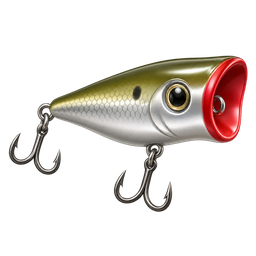 Surface poppers |
Spinning |
Work a surface popper with short pulls and pauses around feeding activity. Start with a compact 7 to 10 cm model. Use restrained pulls to make the cupped face spit, then pause and watch the lure. Change the rhythm with the surface conditions rather than making every pull as loud as possible. |
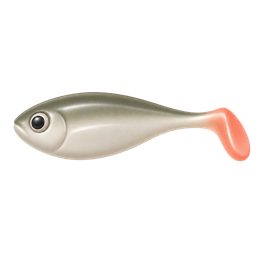 Paddle-tail shads |
Spinning |
Swim a slender paddle-tail shad through the layer occupied by baitfish. Try a 6 to 9 cm shad on a head heavy enough to hold the chosen depth. Rig it straight and combine steady winding with small lifts and controlled falls. Search the water column rather than sending every cast straight to the bottom. |
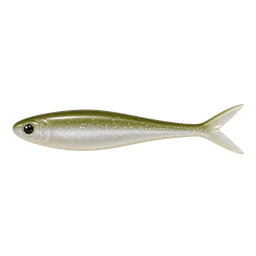 Soft jerkbaits and fork-tail minnows |
Spinning |
Twitch a slim soft minnow through open water and control each pause. Start with a 6 to 9 cm fork-tail profile, rigged straight on a jig head. Use short twitches for a darting action, then follow the fall with the line. Adjust head weight to keep the bait near the shoal without burying it in the riverbed. |
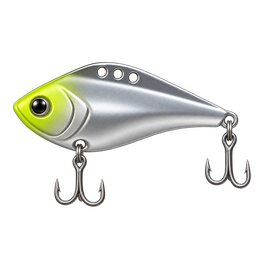 Blade baits |
Spinning |
Lift a metal blade bait through deeper water and follow its vibrating fall. Count the lure down to the chosen layer and use short lifts followed by controlled descents. Let its solid metal body create the vibration; it has no rotating tail blade. Keep its exposed hooks above stones and submerged branches. |
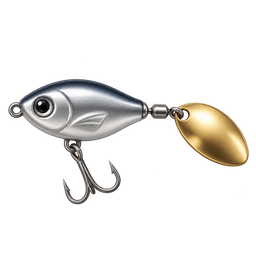 Tail spinners |
Spinning |
Swim a compact tail spinner below the surface or lift it through deeper shoals. Choose enough weight to reach the fish while the rear blade turns freely. Mix steady winding with short lifts and follow the lure as it falls. Keep it above obstacles and check that debris has not stopped the blade. |
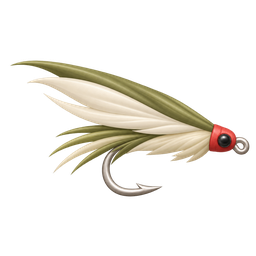 Streamers |
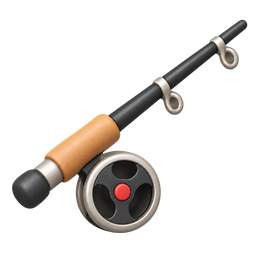 Fly fishing |
Strip a slim baitfish streamer through a seam or the edge of a shoal. Try a 7 to 12 cm baitfish pattern, choosing its weight and line to reach the intended layer. Vary strip length and speed, adding pauses instead of making every retrieve fast. A weighted Clouser-style pattern can search below visible surface activity. |
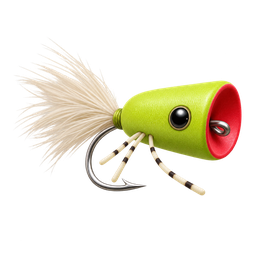 Fly poppers |
Fly fishing |
Pull a small foam popper across the surface and pause beside baitfish. Use short line strips to make the face disturb the water, then let the fly settle. Try a compact 5 to 8 cm profile and keep enough contact to detect a take. Bring it across the edge of feeding activity rather than casting directly onto a fish. |
Retrieve a lure, varying its depth, speed and pauses.
Cast an artificial fly; imitate prey with drift or retrieve.
Tow a lure or bait behind a moving boat at the depth where fish are holding.
FAQ
The BiteRadar guide recommends sinking stickbaits, plugs, spoons, surface walking baits, surface poppers, paddle-tail shads, soft jerkbaits and fork-tail minnows, blade baits, tail spinners, streamers and fly poppers, each with its own fishing method and presentation.
The best spots for asp are current breaks, piers and stone banks, rocky reefs and points, changes in bottom depth, edges of baitfish shoals and slopes beside deeper water.
The guide covers spinning, fly fishing and trolling. Each method lists its own lures and how to fish them.
In the BiteRadar model, dawn and dusk are usually the best times for asp. The exact hours change every day with light, weather and water temperature, so check the hourly forecast for your spot.
Most active in water around 16–22 °C. In colder water activity slows down gradually. Above the optimum activity drops, and in very warm water it falls sharply. Other conditions can still raise or lower activity on a given day.
Same lures, other fish
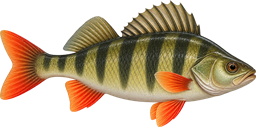 Perch6 shared lures
Paddle-tail shadsSoft jerkbaits and fork-tail minnowsSpoonsPlugsBlade baitsTail spinners
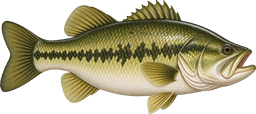 Largemouth Bass6 shared lures
Soft jerkbaits and fork-tail minnowsPaddle-tail shadsSurface poppersSurface walking baitsStreamersFly poppers
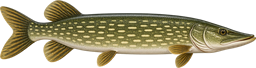 Pike4 shared lures
Paddle-tail shadsSpoonsPlugsStreamers
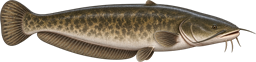 Wels Catfish4 shared lures
Paddle-tail shadsPlugsSpoonsBlade baits
Free on iOS and Android

Scan with your phone to get the app
 BiteRadar
Asp · Fishing forecast