Polski
 Deutsch
 Čeština
 Slovenčina
 Magyar
 Français
 Nederlands
 Svenska
 Dansk
 Norsk
 Suomi
Water temperature
24–28 °C
24–28 °C
0102030
In colder water activity slows down gradually. Above the optimum activity drops, and in very warm water it falls sharply.
Where wels catfish hold, how to fish for them and which baits work, from the BiteRadar species guide. The app forecasts wels catfish activity hour by hour for the water you fish.
When to fish
Quick answer
Most active in water around 24–28 °C. In the BiteRadar model, dusk, night and dawn are usually the best times for wels catfish. The exact hours change every day with light, weather and water temperature, so check the hourly forecast for your spot.
Water temperature
24–28 °C
In colder water activity slows down gradually. Above the optimum activity drops, and in very warm water it falls sharply.
Best times of day
Dusk&Night&Dawn
Exact hours shift every day with sunrise, sunset and weather.
What stands out for this species
Where to fish
Quick answer
Look for wels catfish at changes in bottom depth, submerged timber, edges of baitfish shoals, river pools with cover, current breaks and reed edges.
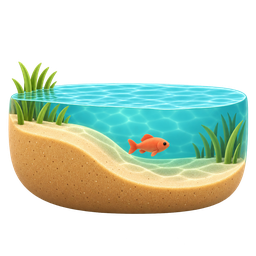
Explore channel edges and deep holes, including old riverbeds in reservoirs.
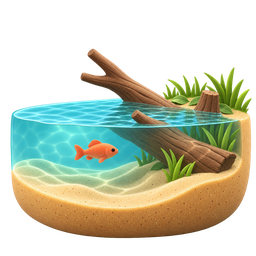
Search beside submerged trunks and root tangles, with room to steer fish clear.
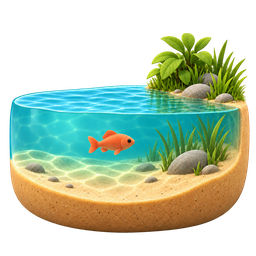
Search around baitfish shoals in open water, including well above the bottom.

Search deep river pools beside undercut banks, rocks and submerged cover.
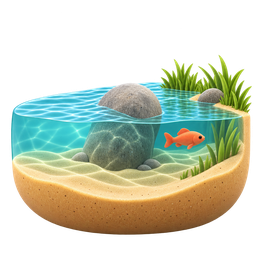
Check slower water beside the main flow and the sheltered sides of groynes.
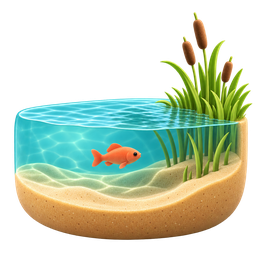
Explore shallow reed margins near deeper water when baitfish move in at dusk.
Lures and methods
Quick answer
Dead baitfish, live baitfish, worms and pellets for bottom fishing; live baitfish, dead baitfish and worms for float fishing; paddle-tail shads, plugs, spoons and blade baits for spinning; plugs and soft plastic lures for trolling.
| Lure or bait | Method | How to fish it |
|---|---|---|
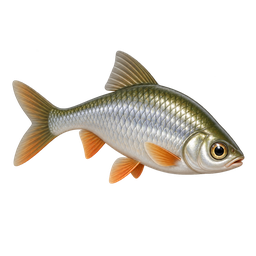
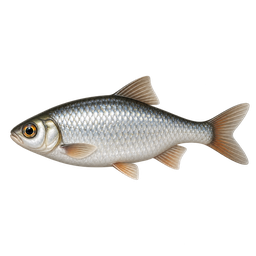 Dead baitfish |
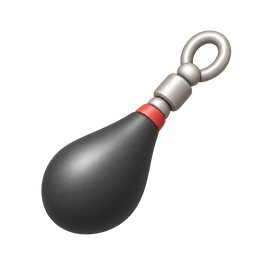 Bottom fishing 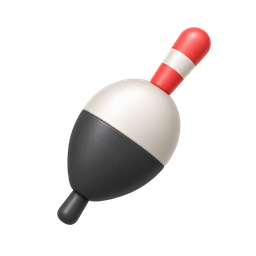 Float fishing |
Present a dead baitfish beside a deep pool or along a sheltered current seam. Use a strong hook and an abrasion-resistant catfish hooklink, leaving the hook point clear. A subfloat on the hooklink can lift the bait above silt or low weed while the lead holds the rig in place. Adjust buoyancy to the bait and current, and check the presentation in the margin before placing it. |
 Live baitfish |
Bottom fishingFloat fishing |
Hold a live baitfish above the bottom with a subfloat where live bait is allowed. Use a purpose-made catfish rig with a strong, abrasion-resistant hooklink and enough buoyancy to support the bait. Position it beside a current break or pool edge, clear of timber and trailing weed. Match the rig to the bait size and check that the bait cannot reach nearby snags. |
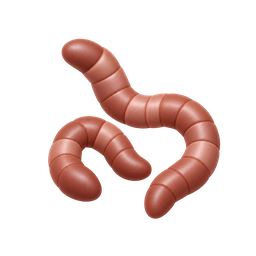 Worms |
Bottom fishingFloat fishing |
Offer a bunch of large nightcrawlers just above the bottom near cover. Mount the worms on a strong hook with the point exposed and use an abrasion-resistant catfish hooklink. Add a small subfloat to lift the bunch above soft sediment or low weed without burying it in the rig. Use only enough lead to hold the chosen spot and replace damaged worms. |
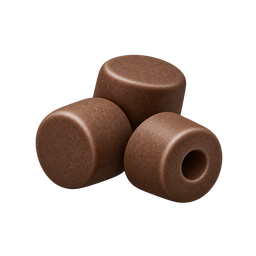 Pellets |
Bottom fishing |
Hair-rig large fishmeal pellets on the bottom where catfish regularly take feed. Start with a durable hook pellet around 25 mm, matching the hook and hair length to the bait. Leave the hook clear and use a strong, abrasion-resistant hooklink. This approach is particularly relevant on waters where catfish are accustomed to pellets; check the hookbait as it softens and avoid assuming that heavy feeding is necessary. |
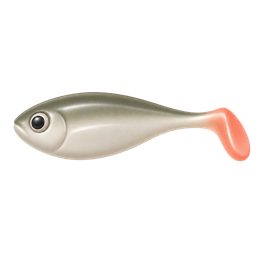 Paddle-tail shads |
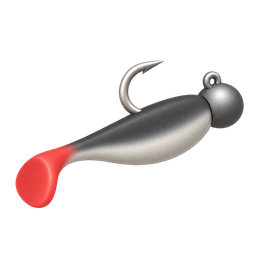 Spinning |
Work a large paddle-tail shad near the bottom or through baitfish shoals. A 12 to 20 cm shad is a useful starting size, rigged on a strong catfish jig hook with an abrasion-resistant leader. Choose enough weight to control depth, using short lifts and a controlled fall near the bed. For suspended fish, retrieve steadily through their layer instead of letting every cast sink to the bottom. |
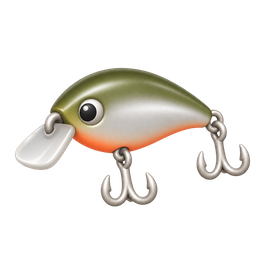 Plugs |
Spinning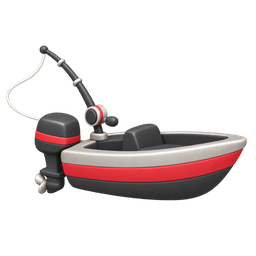 Trolling |
Retrieve a strong wobbling plug along shallow margins or deeper channel edges. Choose a shallow runner for banks and bars, or a deeper-diving model to reach a channel slope. Start with a slow, steady retrieve and vary it with brief pauses while keeping the lure clear of snags. Use catfish-strength hooks, split rings and an abrasion-resistant leader. |
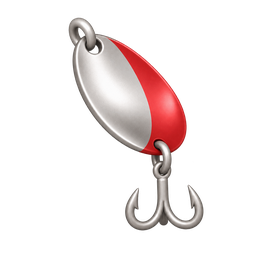 Spoons |
Spinning |
Retrieve a heavy spoon across a current seam with a steady, controlled swing. Choose a spoon that reaches the intended layer without constantly dragging along the bed. Cast across or slightly downstream and keep contact as it swings, adjusting retrieve speed to maintain its action. Use strong hooks, secure rings and an abrasion-resistant leader suited to large catfish. |
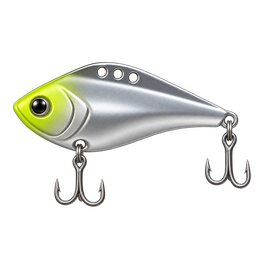 Blade baits |
Spinning |
Work a heavy blade bait through open water with short lifts and controlled falls. Use a catfish-strength model, strong hooks and an abrasion-resistant leader. Start each lift gently until the lure vibrates, then follow its fall while keeping contact. Search the layer of baitfish as well as water near the bottom, keeping exposed hooks clear of branches and dense weed. |
| Soft plastic lures |
Trolling |
Troll a large paddle-tail shad at the depth of catfish or nearby baitfish. Rig the shad on strong catfish tackle and adjust weight, line length and boat speed to hold the chosen layer. Keep the tail working steadily and watch for changes in bottom depth. When fish are suspended, tow the lure through their layer rather than along the bed. |
Hold bait on the bottom with a lead; watch a bite indicator.
Set bait depth with a float and watch it for bites.
Retrieve a lure, varying its depth, speed and pauses.
Tow a lure or bait behind a moving boat at the depth where fish are holding.
FAQ
The BiteRadar guide recommends dead baitfish, live baitfish, worms, pellets, paddle-tail shads, plugs, spoons, blade baits and soft plastic lures, each with its own fishing method and presentation.
The best spots for wels catfish are changes in bottom depth, submerged timber, edges of baitfish shoals, river pools with cover, current breaks and reed edges.
The guide covers bottom fishing, float fishing, spinning and trolling. Each method lists its own baits and how to fish them.
In the BiteRadar model, dusk, night and dawn are usually the best times for wels catfish. The exact hours change every day with light, weather and water temperature, so check the hourly forecast for your spot.
Most active in water around 24–28 °C. In colder water activity slows down gradually. Above the optimum activity drops, and in very warm water it falls sharply. Other conditions can still raise or lower activity on a given day.
Same lures, other fish
Free on iOS and Android

Scan with your phone to get the app
 BiteRadar
Wels Catfish · Fishing forecast