Polski
 Deutsch
 Čeština
 Slovenčina
 Magyar
 Français
 Nederlands
 Svenska
 Dansk
 Norsk
 Suomi
Water temperature
24–30 °C
24–30 °C
0102030
In colder water activity slows down gradually. Above the optimum activity drops, and in very warm water it falls sharply.
Where largemouth bass hold, how to fish for them and which lures work, from the BiteRadar species guide. The app forecasts largemouth bass activity hour by hour for the water you fish.
When to fish
Quick answer
Most active in water around 24–30 °C. In the BiteRadar model, dawn and dusk are usually the best times for largemouth bass. The exact hours change every day with light, weather and water temperature, so check the hourly forecast for your spot.
Water temperature
24–30 °C
In colder water activity slows down gradually. Above the optimum activity drops, and in very warm water it falls sharply.
Best times of day
Dawn&Dusk
Exact hours shift every day with sunrise, sunset and weather.
What stands out for this species
Where to fish
Quick answer
Look for largemouth bass at submerged weed edges, gaps beside lily pads, reed edges, piers and stone banks, submerged timber, slopes beside deeper water and current breaks.
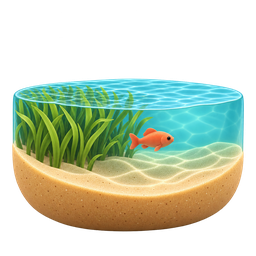
Search weed edges and pockets, presenting the lure beside the cover.
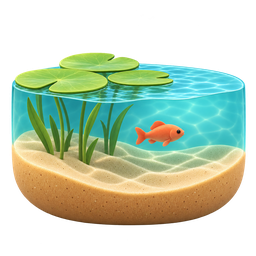
Work clear gaps beside lily pads and the edges of floating vegetation.
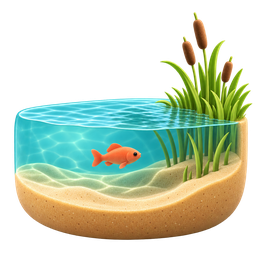
Work openings and outer reed edges beside clear water.
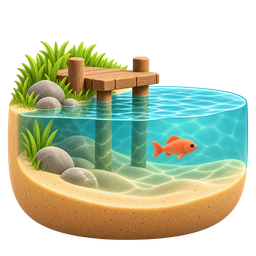
Search shaded dock edges, supports and nearby stone cover.
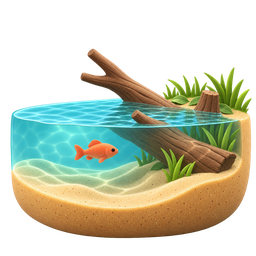
Present lures beside fallen trunks, branches and stumps.
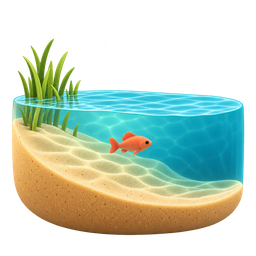
Search points, humps and drop-offs near cover or baitfish.
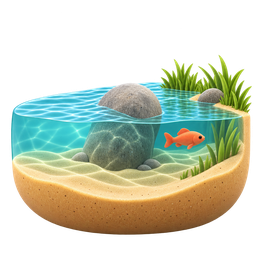
Search quiet pockets and backwaters beside vegetation or wood.
Lures and methods
Quick answer
Soft plastic worms, soft stickbaits, soft jerkbaits and fork-tail minnows, soft crayfish, creature baits, paddle-tail shads, skirted jigs, bladed jigs, spinnerbaits, diving crankbaits, lipless crankbaits, hollow-body frogs, surface poppers and surface walking baits for spinning; streamers and fly poppers for fly fishing; live baitfish for float fishing.
| Lure or bait | Method | How to fish it |
|---|---|---|
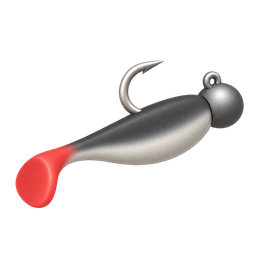
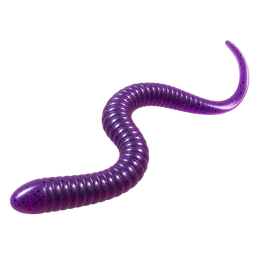 Soft plastic worms |
 Spinning |
Work a plastic worm beside weeds or timber with slow lifts and pauses. A 10 to 18 cm worm is a useful starting size, adjusted to the cover and forage. Texas-rig it with a bullet weight and offset hook, lightly tucking the point into the plastic. Use small drags on clear ground and controlled lifts beside cover, leaving slack only for the lure to fall naturally. |
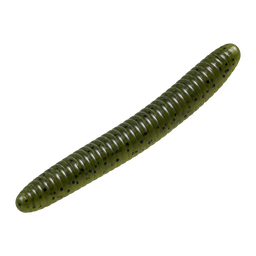 Soft stickbaits |
Spinning |
Let a soft stickbait fall beside a dock or into a clear pocket in the weeds. Start with a 10 to 13 cm stickbait hooked through the middle for a wacky rig, allowing both ends to move on the fall. Around vegetation, use an unweighted offset hook instead. A shorter 6 to 8 cm buoyant stickbait on a mushroom head suits a Ned presentation with small drags and pauses on clear bottom. |
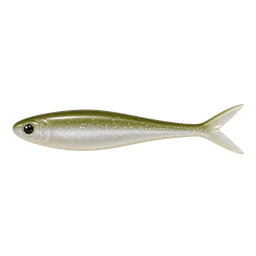 Soft jerkbaits and fork-tail minnows |
Spinning |
Twitch a soft jerkbait through shallow openings, then let it glide on slack line. Rig a 10 to 15 cm baitfish-shaped plastic straight on an unweighted offset hook, or add light weight to reach deeper cover edges. Alternate short twitches with pauses rather than winding continuously. For a drop-shot presentation, use a smaller profile above an end weight and hold it beside the fish with restrained movements. |
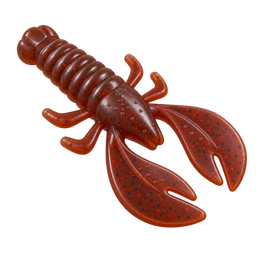 Soft crayfish |
Spinning |
Hop a soft crayfish beside rock or wood, pausing with its claws free to move. Start with a 7 to 10 cm craw and adjust hook size to its body thickness. Use a Texas rig near cover or a jig head on open bottom. It can also serve as a trailer on a skirted jig; shorten the body if needed without restricting the claws. |
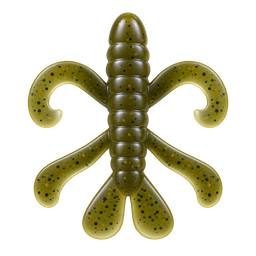 Creature baits |
Spinning |
Pitch a creature bait into cover pockets and let it fall on a controlled line. Use an offset hook with enough gap for the bulky body and a bullet weight suited to the cover. Keep the appendages free when Texas-rigging and pause after the bait reaches the target. On an open point, a Carolina rig lets the lure follow behind a slowly dragged weight, separated by a swivel and leader. |
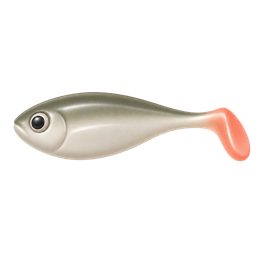 Paddle-tail shads |
Spinning |
Swim a paddle-tail shad along weed edges or through open-water baitfish. Start around 8 to 13 cm, matching the profile to the forage. Use an exposed jig hook in open water or a weighted offset hook beside sparse vegetation. Count it down to the chosen layer and keep the tail working with a steady retrieve, adding short pauses where it can fall clear of cover. |
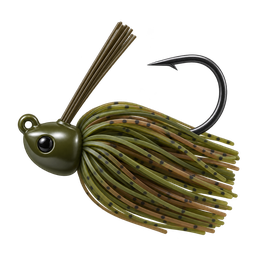 Skirted jigs |
Spinning |
Pitch a skirted jig beside wood or weed cover and let it fall. Add a soft trailer to change its bulk and movement. Fish short lifts and pauses beside the cover, choosing a hook and guard suited to the obstacles. |
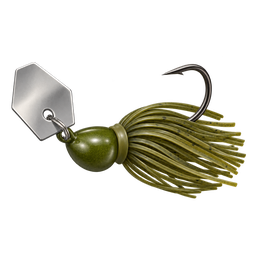 Bladed jigs |
Spinning |
Swim a bladed jig along a weed edge, keeping its front blade working. Fit a straight soft trailer that does not block the blade or hook gap. Let the jig sink to the desired layer, then retrieve with enough speed to feel its vibration. Add brief pauses over open pockets, allowing for the lure to drop toward the vegetation. |
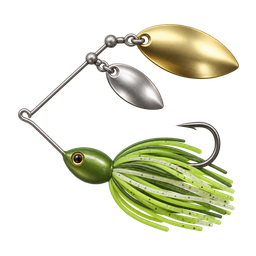 Spinnerbaits |
Spinning |
Retrieve a spinnerbait along weed edges while keeping its blades turning. Use a steady retrieve to search the edge and change depth by varying sinking time and speed. Keep the skirt and hook running clear of stems. |
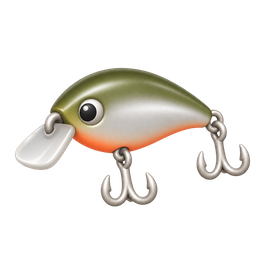 Diving crankbaits |
Spinning |
Retrieve a diving crankbait along rocks, weed edges or the side of a point. Choose its bill and running depth to reach the target without repeatedly fouling dense weed. Start with steady winding and pause after light contact with an isolated obstruction. A floating crankbait can rise during the pause; do not force exposed hooks through timber. |
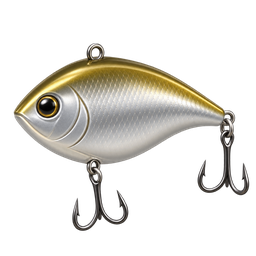 Lipless crankbaits |
Spinning |
Search open flats with a sinking lipless crankbait on a steady or lifting retrieve. Count it down to the level of the baitfish before winding. Over clear bottom, lift until it vibrates and follow the fall under control. Adjust speed to stay above weed tops and avoid dragging exposed hooks through heavy cover. |
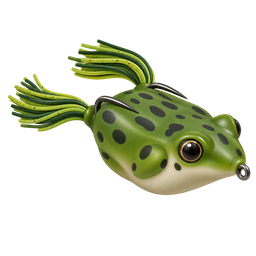 Hollow-body frogs |
Spinning |
Work a hollow-body frog over floating weeds and pause in clear gaps. Use short rod-tip pulls to move it across the mat or along its edge. Choose tackle strong enough to bring the fish out of the vegetation. |
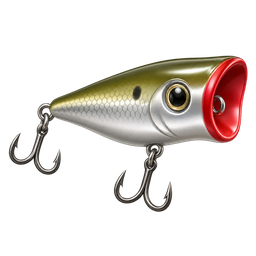 Surface poppers |
Spinning |
Pop a surface lure beside a dock or over an open pocket, then pause. Use short rod-tip movements to make the cupped face spit water, followed by still periods. Keep it in open water beside cover rather than dragging exposed trebles through floating mats. When a fish takes, wait until you feel its weight before setting the hook. |
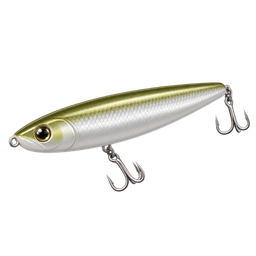 Surface walking baits |
Spinning |
Walk a surface lure across open pockets or along the outside of a weed bed. Use a regular sequence of short twitches with slack between them to produce a side-to-side path. Vary the pause length near baitfish or isolated cover. Keep exposed hooks clear of weed mats and set the hook when you feel the fish rather than at the first splash. |
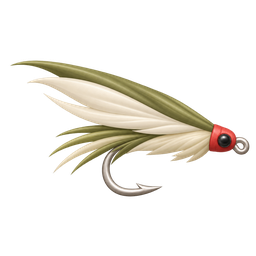 Streamers |
 Fly fishing |
Strip a baitfish-shaped streamer beside weeds, timber or dock edges. Use short line pulls and pauses, changing sinking time to reach the fish. Leave space for the fly to swim beside cover rather than burying it in the plants. |
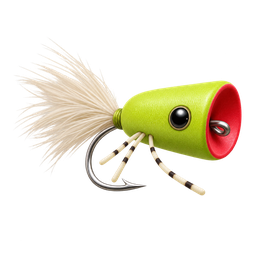 Fly poppers |
Fly fishing |
Pop a floating fly beside lily pads or over a clear shallow pocket. Pull the line briefly to make the fly disturb the surface, then pause. Work accessible water around the vegetation where the hook can remain clear. |
 Live baitfish |
 Float fishing |
Suspend a live baitfish beside a weed edge or another piece of cover. Set the float to keep the bait above the vegetation and allow it room to swim. Use baitfish permitted for that water and watch the float continuously. |
Retrieve a lure, varying its depth, speed and pauses.
Cast an artificial fly; imitate prey with drift or retrieve.
Set bait depth with a float and watch it for bites.
FAQ
The BiteRadar guide recommends soft plastic worms, soft stickbaits, soft jerkbaits and fork-tail minnows, soft crayfish, creature baits, paddle-tail shads, skirted jigs, bladed jigs, spinnerbaits, diving crankbaits, lipless crankbaits, hollow-body frogs, surface poppers, surface walking baits, streamers, fly poppers and live baitfish, each with its own fishing method and presentation.
The best spots for largemouth bass are submerged weed edges, gaps beside lily pads, reed edges, piers and stone banks, submerged timber, slopes beside deeper water and current breaks.
The guide covers spinning, fly fishing and float fishing. Each method lists its own lures and how to fish them.
In the BiteRadar model, dawn and dusk are usually the best times for largemouth bass. The exact hours change every day with light, weather and water temperature, so check the hourly forecast for your spot.
Most active in water around 24–30 °C. In colder water activity slows down gradually. Above the optimum activity drops, and in very warm water it falls sharply. Other conditions can still raise or lower activity on a given day.
Same lures, other fish
 Zander7 shared lures
Paddle-tail shadsSoft jerkbaits and fork-tail minnowsSoft plastic wormsSoft crayfishCreature baitsLipless crankbaitsLive baitfish
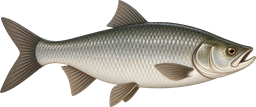 Asp6 shared lures
Surface walking baitsSurface poppersPaddle-tail shadsSoft jerkbaits and fork-tail minnowsStreamersFly poppers
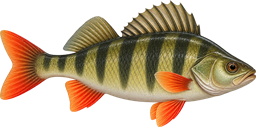 Perch3 shared lures
Paddle-tail shadsSoft jerkbaits and fork-tail minnowsSoft crayfish
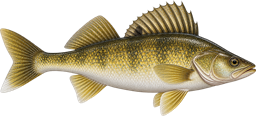 Walleye3 shared lures
Paddle-tail shadsSoft jerkbaits and fork-tail minnowsLive baitfish
Free on iOS and Android

Scan with your phone to get the app
 BiteRadar
Largemouth Bass · Fishing forecast