Polski
 Deutsch
 Čeština
 Slovenčina
 Magyar
 Français
 Nederlands
 Svenska
 Dansk
 Norsk
 Suomi
Water temperature
18–24 °C
18–24 °C
0102030
In colder water activity slows down gradually. Above the optimum activity drops, and in very warm water it falls sharply.
Where carp hold, how to fish for them and which baits work, from the BiteRadar species guide. The app forecasts carp activity hour by hour for the water you fish.
When to fish
Quick answer
Most active in water around 18–24 °C. In the BiteRadar model, dawn, dusk and night are usually the best times for carp. The exact hours change every day with light, weather and water temperature, so check the hourly forecast for your spot.
Water temperature
18–24 °C
In colder water activity slows down gradually. Above the optimum activity drops, and in very warm water it falls sharply.
Best times of day
Dawn&Dusk&Night
Exact hours shift every day with sunrise, sunset and weather.
Where to fish
Quick answer
Look for carp at reed edges, sheltered banks and overhanging trees, gaps beside lily pads, submerged weed edges, gravel flats and sediment edges, submerged timber, slopes beside deeper water and current breaks.
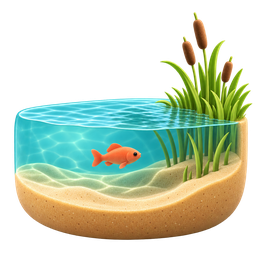
Watch reed gaps for feeding carp and place bait on a clear patch beside them.
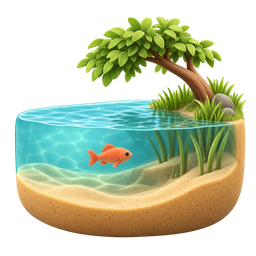
Approach shaded margins quietly and look beneath overhanging branches.
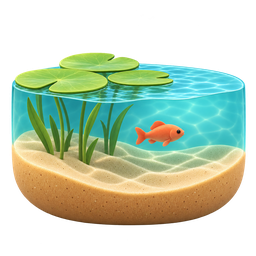
Search clear pockets beside lily pads, leaving room to steer fish away from stems.
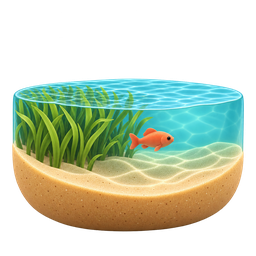
Look for clear feeding patches along the outside of submerged weed beds.
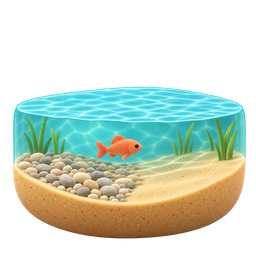
Check gravel patches and sediment edges for feeding signs, not just hard ground.
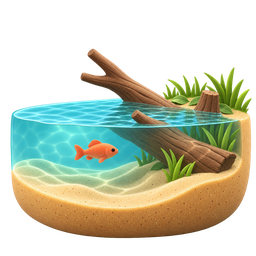
Look beside submerged trunks and roots, choosing a spot with a clear landing route.
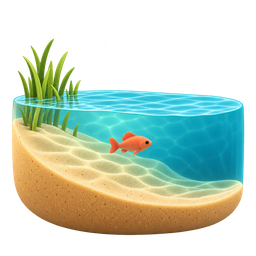
Explore the slopes of humps and shelves, watching for carp moving along them.
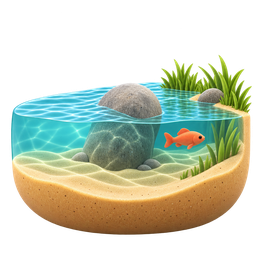
Search quieter river bends and pockets beside the main current.
Lures and methods
Quick answer
Sinking boilies, pop-up hookbaits, wafters, prepared tiger nuts, sweetcorn and pellets for bottom fishing; pellets, sweetcorn, worms, maggots and casters for classic feeder; wafters, pop-up hookbaits, sinking boilies, pellets and sweetcorn for method feeder; sweetcorn, pellets, worms, maggots, casters, fishing paste and cooked pearl barley for float fishing; bread and floating pellets for surface fishing; nymphs, streamers and dry flies for fly fishing.
| Lure or bait | Method | How to fish it |
|---|---|---|
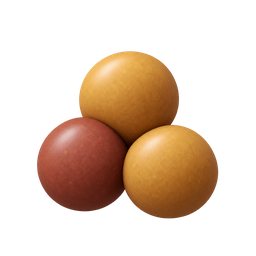 Sinking boilies |
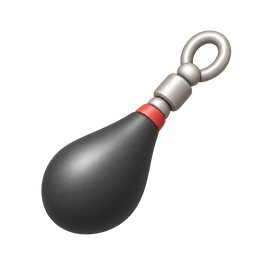 Bottom fishing 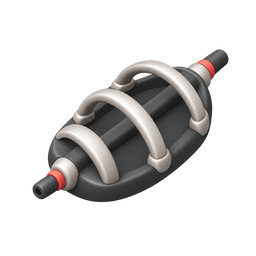 Method feeder |
Hair-rig a sinking boilie on clear bottom beside a feeding area. Keep the hook clear of the bait and choose a hooklink that settles without tangling. Start with a boilie suited to the hook and the size of food being taken, rather than treating one diameter as essential. On soft sediment, check that the lead and hookbait do not pull the presentation out of sight. |
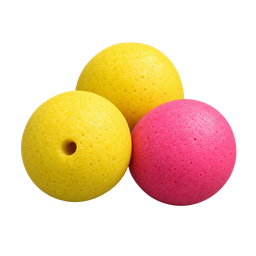 Pop-up hookbaits |
Bottom fishingMethod feeder |
Balance a pop-up just above debris with the hook held close to the bottom. Use a rig designed for buoyant hookbaits and enough counterweight to control the lift. Test the assembled bait, hook and weight in water before casting. A snowman combines a sinking boilie and a buoyant topper on the hair; adjust the combination rather than assuming it will balance itself. |
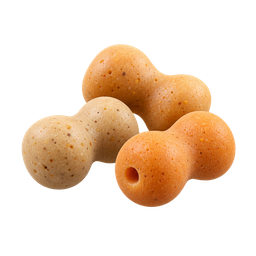 Wafters |
Bottom fishingMethod feeder |
Balance a wafter against the hook so it settles gently on the chosen spot. Check buoyancy with the actual hook, hair and bait attachment in water. The aim is an easily moved hookbait with the hook staying down, not a rig that floats away. Trim or change the bait if its lift overcomes the hook weight. |
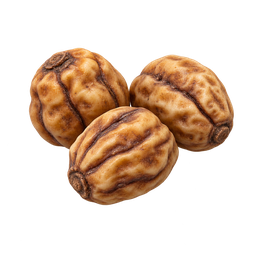 Prepared tiger nuts |
Bottom fishing |
Hair-rig a properly prepared tiger nut on a clear feeding patch. Use ready-prepared fishing nuts or prepare them fully according to a reliable bait supplier process; do not use dry raw nuts. Keep the hook exposed and test that the nut and rig settle as intended. Feed sparingly and only on waters that allow nuts. |
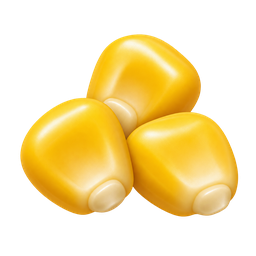 Sweetcorn |
Bottom fishing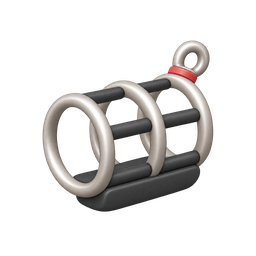 Classic feederMethod feeder 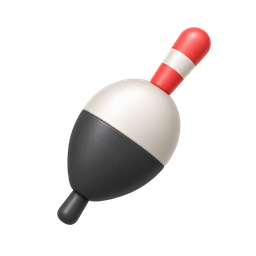 Float fishing |
Present sweetcorn on a hair rig beside reeds, weeds or a clear bottom patch. Use tender cooked or canned grains and match the number to the hook and hair. Keep the hook clear and use enough lead to hold the presentation. Check the bait after small-fish activity instead of leaving stripped grains on the rig. |
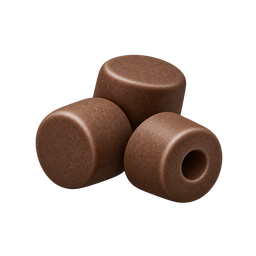 Pellets |
Bottom fishingClassic feederMethod feederFloat fishing |
Hair-rig a durable sinking pellet over a clear patch beside cover. Use a drilled hook pellet or a secure band that suits its firmness. Check how quickly it softens in the water and replace it before it falls from the rig. Match any loose feed to the fish activity rather than using a fixed large starting dose. |
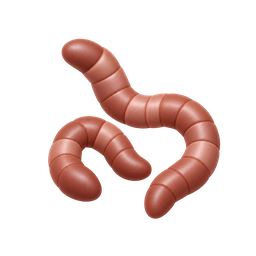 Worms |
Classic feederFloat fishing |
Offer a worm beside the feeder, leaving part of the bait free to move. Hook it securely without masking the point and fish a clear patch beside cover. Chopped worms can be added to a suitable feeder mix in small amounts. Match the feeder to the current and keep its load separate from the bait on the hooklink. |
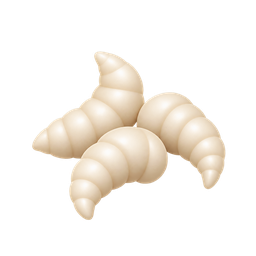 Maggots |
Classic feederFloat fishing |
Present a small bunch of maggots beside a feeder with the hook point clear. Hook the maggots lightly through the blunt end and replace damaged ones. A blockend feeder releases loose maggots; a cage needs a mix that holds them for the cast. Adjust feed to the response rather than recasting to a fixed timetable. |
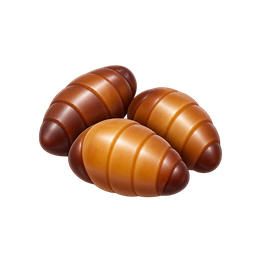 Casters |
Classic feederFloat fishing |
Fish firm casters beside a feeder on a clear patch close to carp cover. Use intact casters and a hook that holds them without crushing every shell. Add a modest amount to a suitable cage-feeder mix. Watch the tip for positive bites and check the hookbait after activity from smaller fish. |
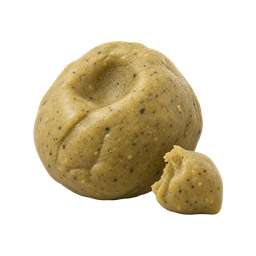 Fishing paste |
Float fishing |
Lower a soft paste hookbait onto a clear bottom patch beneath a float. Mould paste around a suitable hook without making a dense oversized ball. Plumb the swim carefully and allow for the bait weight when setting the float. Lower it gently, often with a pole, and renew it when it washes away; softer paste is easily lost during a hard cast. |
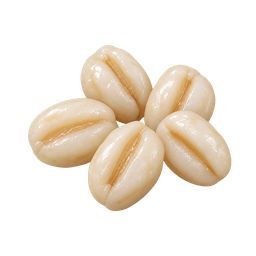 Cooked pearl barley |
Float fishing |
Present tender cooked pearl barley near the bottom beneath a float. Use fully softened grains that hold on the hook without hiding its point. Plumb a clear patch beside reeds or a margin shelf and lower or cast gently. Check the bait after each indication because small fish can remove the grains. |
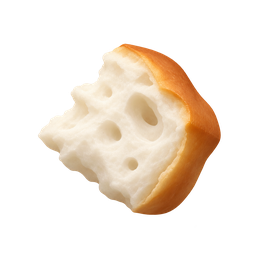 Bread |
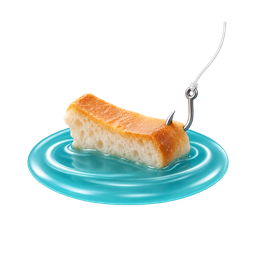 Surface fishing |
Present floating bread crust to carp already taking food at the surface. Approach quietly and free-line the crust at close range, or use a controller float when distance is needed. Keep the hook secure in the crust without burying the point and let the bait drift naturally. Watch the hookbait and tighten when it is taken, rather than striking at every splash. |
| Floating pellets |
Surface fishing |
Float a secure pellet hookbait among a few loose pellets that carp are taking. Use a floating hook pellet attached with a band or hair and check that it still floats with the hook. A free line suits close fish; a controller adds casting weight farther out. Manage loose line to keep the bait drifting freely and feed only while fish continue to take confidently. |
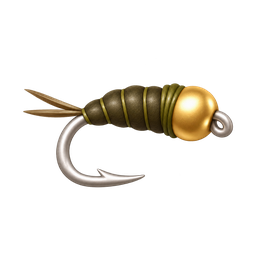 Nymphs |
 Fly fishing |
Place a small nymph ahead of a visibly feeding carp and let it settle. Approach without casting the line over the fish and choose enough weight for a quiet, controlled sink. Present an imitation of the local bottom food within the fish travel path. Move it only slightly if needed and watch the fish and leader for a take. |
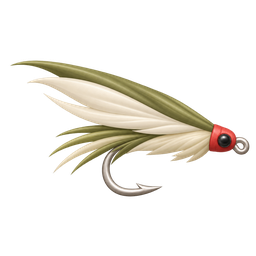 Streamers |
Fly fishing |
Present a small leech or crayfish-style streamer ahead of a feeding carp. Choose a modest profile rather than automatically using a large predator streamer. Let it sink into view with minimal disturbance, then use a short pull or slow crawl to suggest living food. Keep control of the line and tighten when the fish takes. |
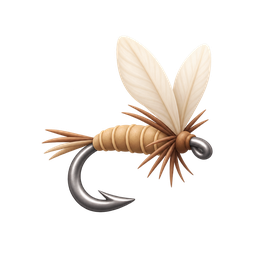 Dry flies |
Fly fishing |
Drift a buoyant insect imitation to carp visibly feeding at the surface. Match the size and outline to what the fish are actually taking. Place the fly ahead of a cruising fish without dropping the line across it. Let it drift without dragging and watch for the fly to disappear before tightening the line. |
Hold bait on the bottom with a lead; watch a bite indicator.
Feed with a cage or blockend feeder; watch the quivertip for bites.
Use a flat feeder and short hooklink to present bait within the feed.
Set bait depth with a float and watch it for bites.
Present a floating bait on a free line or behind a controller float.
Cast an artificial fly; imitate prey with drift or retrieve.
FAQ
The BiteRadar guide recommends sinking boilies, pop-up hookbaits, wafters, prepared tiger nuts, sweetcorn, pellets, worms, maggots, casters, fishing paste, cooked pearl barley, bread, floating pellets, nymphs, streamers and dry flies, each with its own fishing method and presentation.
The best spots for carp are reed edges, sheltered banks and overhanging trees, gaps beside lily pads, submerged weed edges, gravel flats and sediment edges, submerged timber, slopes beside deeper water and current breaks.
The guide covers bottom fishing, classic feeder, method feeder, float fishing, surface fishing and fly fishing. Each method lists its own baits and how to fish them.
In the BiteRadar model, dawn, dusk and night are usually the best times for carp. The exact hours change every day with light, weather and water temperature, so check the hourly forecast for your spot.
Most active in water around 18–24 °C. In colder water activity slows down gradually. Above the optimum activity drops, and in very warm water it falls sharply. Other conditions can still raise or lower activity on a given day.
Same lures, other fish
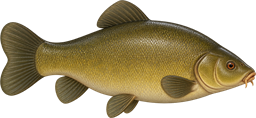 Tench12 shared baits
WormsSweetcornMaggotsCastersCooked pearl barleyFishing pasteBreadPelletsWaftersSinking boiliesNymphsStreamers
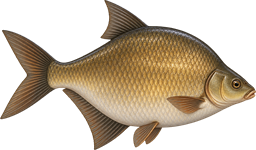 Bream10 shared baits
WormsMaggotsCastersSweetcornCooked pearl barleyWaftersPelletsFishing pasteBreadSinking boilies
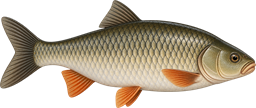 Chub8 shared baits
BreadMaggotsCastersWormsFishing pasteDry fliesNymphsStreamers
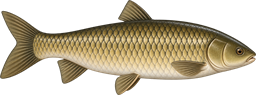 Grass Carp7 shared baits
SweetcornPrepared tiger nutsSinking boiliesWaftersPop-up hookbaitsBreadFloating pellets
Free on iOS and Android

Scan with your phone to get the app
 BiteRadar
Carp · Fishing forecast