Polski
 Deutsch
 Čeština
 Slovenčina
 Magyar
 Français
 Nederlands
 Svenska
 Dansk
 Norsk
 Suomi
Water temperature
20–28 °C
20–28 °C
0102030
In colder water activity slows down gradually. Above the optimum activity drops, and in very warm water it falls sharply.
Where grass carp hold, how to fish for them and which baits work, from the BiteRadar species guide. The app forecasts grass carp activity hour by hour for the water you fish.
When to fish
Quick answer
Most active in water around 20–28 °C. In the BiteRadar model, dawn, dusk and night are usually the best times for grass carp. The exact hours change every day with light, weather and water temperature, so check the hourly forecast for your spot.
Water temperature
20–28 °C
In colder water activity slows down gradually. Above the optimum activity drops, and in very warm water it falls sharply.
Best times of day
Dawn&Dusk&Night
Exact hours shift every day with sunrise, sunset and weather.
Where to fish
Quick answer
Look for grass carp at submerged weed edges, clear, weedy bays, reed edges, gaps beside lily pads, foot of the marginal slope, current breaks and canal channel and far-bank shelf.
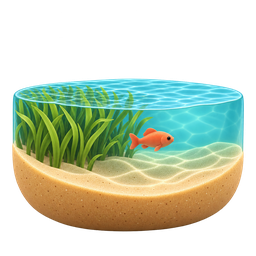
Search clear lanes beside submerged weed, first confirming grass carp are present.
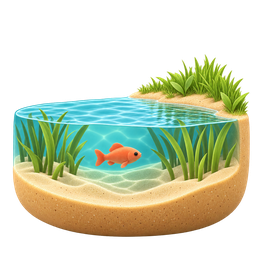
Watch shallow vegetated bays for visible fish and signs of active feeding.
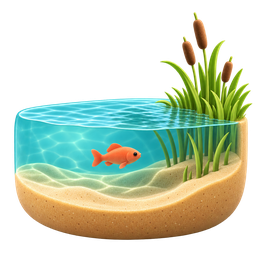
Approach reed margins quietly and look for fish taking plants at the surface.
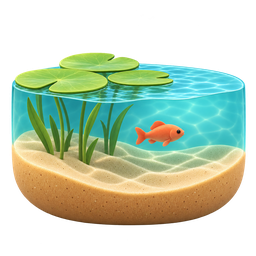
Present beside clear gaps in floating leaves, with room to keep fish out of cover.
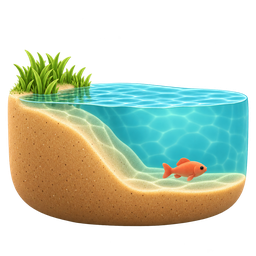
Check clean ground at the foot of a marginal shelf beside vegetation.
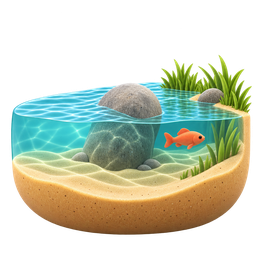
Explore sheltered river pockets with plant cover outside the strongest flow.
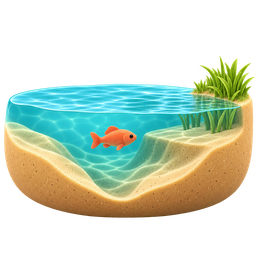
Search vegetated canal shelves and their edges, checking the local depth and flow.
Lures and methods
Quick answer
Sweetcorn, prepared tiger nuts, sinking boilies and zig foam for bottom fishing; wafters, pop-up hookbaits and sweetcorn for method feeder; sweetcorn, cooked peas, bread and leaves and soft plant shoots for float fishing; bread, floating pellets and leaves and soft plant shoots for surface fishing; grass flies and bread imitation flies for fly fishing.
| Lure or bait | Method | How to fish it |
|---|---|---|
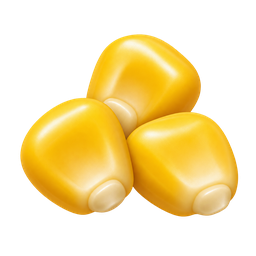 Sweetcorn |
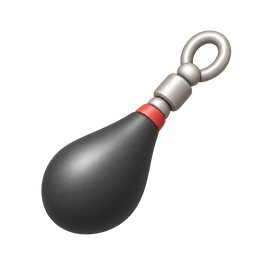 Bottom fishing 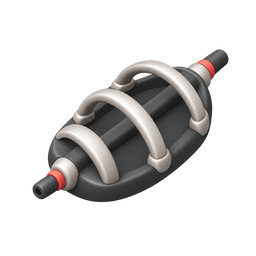 Method feeder 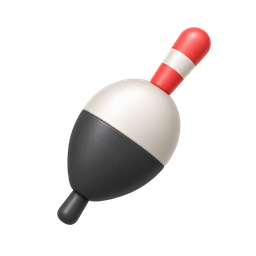 Float fishing |
Present sweetcorn on clean bottom beside a weed edge or marginal shelf. Mount a few soft grains on a hair or hook without masking the point. Check that the rig lies clear of weed and debris before adding feed. Start with a modest amount near the hookbait and increase it only when the fish response supports it. |
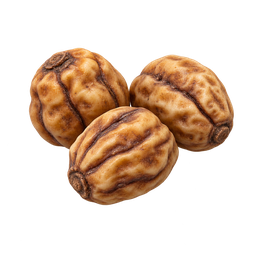 Prepared tiger nuts |
Bottom fishing |
Place a prepared tiger nut on a clear patch beside aquatic plants. Use properly soaked and cooked nuts or ready-prepared fishing bait, never hard dry nuts. Mount the bait on a hair with the hook free to turn. Check the bottom and keep any loose feed limited to what the fish are taking. |
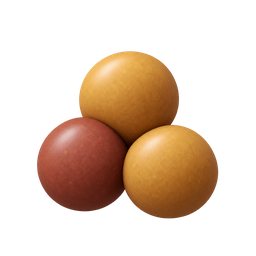 Sinking boilies |
Bottom fishing |
Set a sinking boilie on a clear shelf beside the edge of vegetation. A plant-based boilie is one option from the report. Choose a size that suits the hook and hair, and check that it rests above loose debris. Use a free-running or release-capable lead arrangement and test the hookbait in shallow water before casting. |
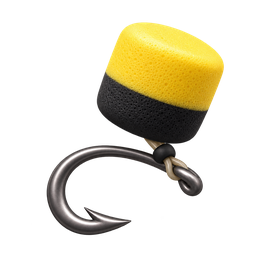 Zig foam |
Bottom fishing |
Suspend a small piece of zig foam at the depth of observed fish. Use a buoyant foam hookbait on a zig rig, with hooklink length setting its height above the lead. Test that the foam lifts the hook and use a lead system that can release if snagged. Change depth from actual observations; fish simply resting at the surface are not necessarily feeding. |
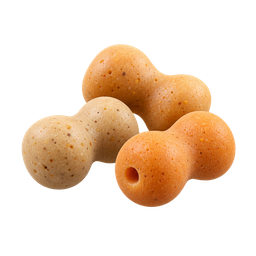 Wafters |
Method feeder |
Present a balanced wafter beside a flat feeder on a clear patch near weed. Check the bait and hook together in water so the hook remains down while the bait is light. Place it with a small portion of suitable groundbait or softened pellets. Adjust the bait size and feed to the response rather than relying on a particular flavour. |
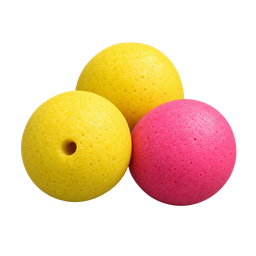 Pop-up hookbaits |
Method feeder |
Hold a small pop-up just above the feed on a flat feeder. Balance the buoyancy with the hook or a suitable counterweight and test the complete rig in water. Keep the bait close to the feeder rather than allowing it to rise on the full hooklink. Use a clean bottom patch where the presentation will remain visible. |
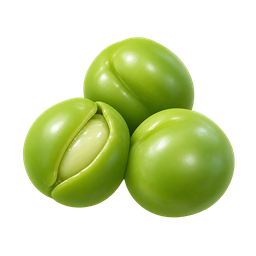 Cooked peas |
Float fishing |
Present a soft cooked pea under a float beside a clear gap in vegetation. Use soaked and cooked peas that hold together but are soft enough for the hook. Attach one securely without blocking the point and check it after casting. Set the depth from the swim and observed fish rather than automatically laying the bait on the bed. |
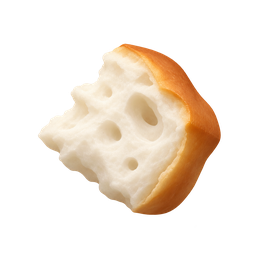 Bread |
Float fishing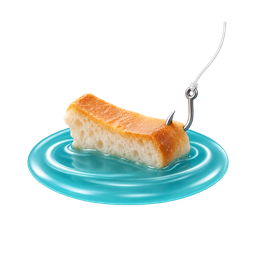 Surface fishing |
Let soft bread flake settle beneath a float beside feeding fish. Pinch a small attachment around the hook shank and leave the outer bread soft. Use restrained shotting for a slow fall when fish are feeding above the bed. Keep the line from pulling the bait away and replace the flake when it loosens. |
 Leaves and soft plant shoots |
Float fishingSurface fishing |
Suspend a soft leaf or shoot where fish are visibly taking plant material. Use suitable permitted bait and attach a small piece securely with the hook point clear. Set it at the observed feeding depth and avoid dragging it through the swim. Keep plant material local to the water and do not move aquatic plants between fisheries. |
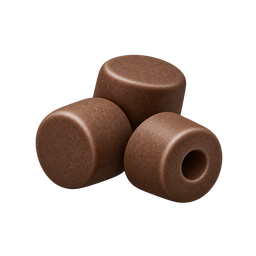 Floating pellets |
Surface fishing |
Drift a floating plant-based pellet along the path of a surface-feeding fish. Use a band or suitable attachment that keeps the hook gap clear and test that it floats. If casting assistance is needed, keep the controller away from the bait. Watch how fish react to a few free pellets and avoid covering the swim with uneaten feed. |
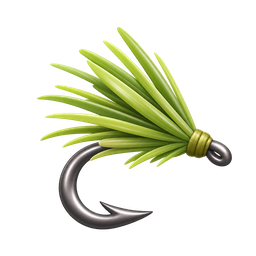 Grass flies |
 Fly fishing |
Let a plant imitation settle gently in front of a visibly feeding fish. Choose a soft green pattern that resembles the material being taken. Present it with a slow fall or quiet drift, controlling the line without twitching it away. This is a sight-fishing option to test locally, not a reason to assume every cruising fish will feed. |
 Bread imitation flies |
Fly fishing |
Drift a floating bread imitation past a fish already taking bread. Choose a buoyant pattern and check that the hook sits clear of the dressing. Cast ahead of the fish and mend the line gently to avoid drag. Observe an actual take before lifting into the fish; floating near the fly alone does not signal a bite. |
Hold bait on the bottom with a lead; watch a bite indicator.
Use a flat feeder and short hooklink to present bait within the feed.
Set bait depth with a float and watch it for bites.
Present a floating bait on a free line or behind a controller float.
Cast an artificial fly; imitate prey with drift or retrieve.
FAQ
The BiteRadar guide recommends sweetcorn, prepared tiger nuts, sinking boilies, zig foam, wafters, pop-up hookbaits, cooked peas, bread, leaves and soft plant shoots, floating pellets, grass flies and bread imitation flies, each with its own fishing method and presentation.
The best spots for grass carp are submerged weed edges, clear, weedy bays, reed edges, gaps beside lily pads, foot of the marginal slope, current breaks and canal channel and far-bank shelf.
The guide covers bottom fishing, method feeder, float fishing, surface fishing and fly fishing. Each method lists its own baits and how to fish them.
In the BiteRadar model, dawn, dusk and night are usually the best times for grass carp. The exact hours change every day with light, weather and water temperature, so check the hourly forecast for your spot.
Most active in water around 20–28 °C. In colder water activity slows down gradually. Above the optimum activity drops, and in very warm water it falls sharply. Other conditions can still raise or lower activity on a given day.
Free on iOS and Android

Scan with your phone to get the app
 BiteRadar
Grass Carp · Fishing forecast