Polski
 Deutsch
 Čeština
 Slovenčina
 Magyar
 Français
 Nederlands
 Svenska
 Dansk
 Norsk
 Suomi
Water temperature
14–22 °C
14–22 °C
0102030
In colder water activity slows down gradually. Above the optimum activity drops, and in very warm water it falls sharply.
Where bream hold, how to fish for them and which baits work, from the BiteRadar species guide. The app forecasts bream activity hour by hour for the water you fish.
When to fish
Quick answer
Most active in water around 14–22 °C. In the BiteRadar model, dawn, dusk and night are usually the best times for bream. The exact hours change every day with light, weather and water temperature, so check the hourly forecast for your spot.
Water temperature
14–22 °C
In colder water activity slows down gradually. Above the optimum activity drops, and in very warm water it falls sharply.
Best times of day
Dawn&Dusk&Night
Exact hours shift every day with sunrise, sunset and weather.
Where to fish
Quick answer
Look for bream at changes in bottom depth, slopes beside deeper water, gravel flats and sediment edges, foot of the marginal slope, current breaks, wide, deeper canal sections and canal channel and far-bank shelf.
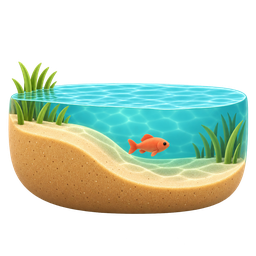
Search channel edges and lake-bed depressions for clear patches of feeding ground.
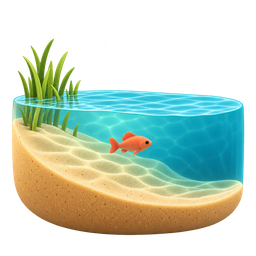
Explore slopes and adjoining flats, checking both firm and softer bottom.
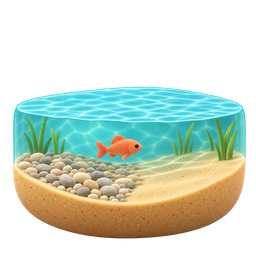
Check transitions between gravel, sand and silt for accessible bottom food.
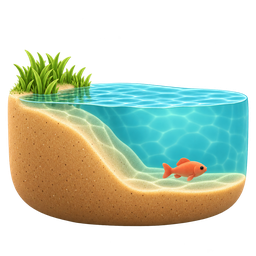
Try the foot of a marginal shelf and nearby shallows as fish move through.
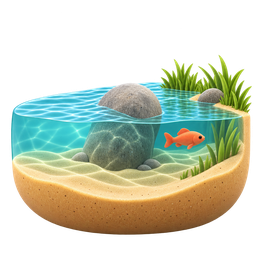
Search quieter river pockets and current seams beside groynes.
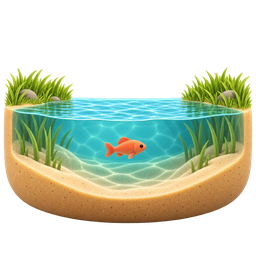
Explore deeper, slower canal stretches, checking local depressions and shelves.
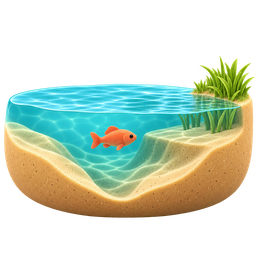
Present along the canal shelf beside the channel, after checking the bottom.
Lures and methods
Quick answer
Worms, maggots, casters, bloodworms, sweetcorn and cooked pearl barley for classic feeder; wafters, pellets and sweetcorn for method feeder; worms, maggots, casters, bloodworms, sweetcorn, cooked pearl barley, fishing paste and bread for float fishing; worms, maggots, casters, sweetcorn, cooked peas and sinking boilies for bottom fishing; bloodworms and mormyshkas for ice fishing; soft insect larvae and soft leech imitations for spinning.
| Lure or bait | Method | How to fish it |
|---|---|---|
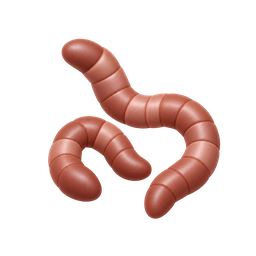 Worms |
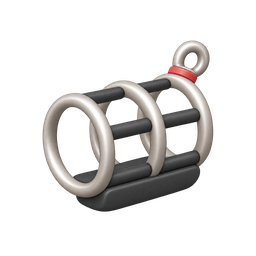 Classic feeder 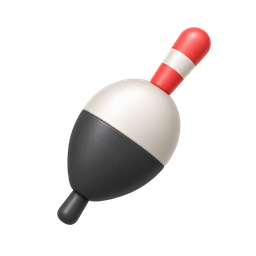 Float fishing 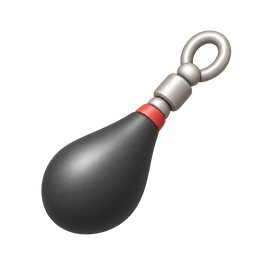 Bottom fishing |
Present a worm beside a feeder on a clear patch along a slope or channel edge. Hook through a firm section and leave the point clear. A little chopped worm can be carried in a suitable groundbait mix. Choose feeder weight and hooklink length for the flow and bottom, checking that the hookbait is not buried in soft silt. |
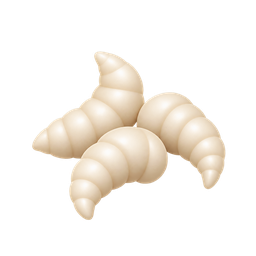 Maggots |
Classic feederFloat fishingBottom fishing |
Fish a small bunch of maggots beside a feeder on a clear feeding patch. Hook them lightly through the blunt end and leave the points exposed. Use a blockend feeder for loose maggots or include a modest amount in groundbait. Match weight and feed release to the current, adjusting the amount after watching the response. |
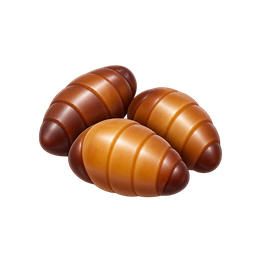 Casters |
Classic feederFloat fishingBottom fishing |
Set carefully hooked casters beside a feeder along a lake shelf or quiet run. Keep the shells intact and the hook point clear. Include a small amount of casters in the feeder mix if fish are taking them. Check the hookbait after a missed bite and adjust recasting to the response rather than a fixed interval. |
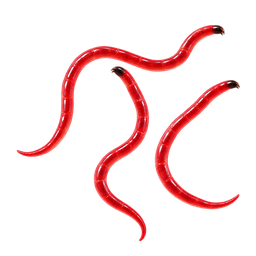 Bloodworms |
Classic feederFloat fishing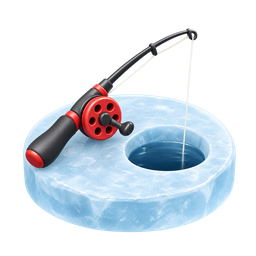 Ice fishing |
Present a small bloodworm hookbait beside a feeder on clear bottom. Use a fine hook that holds the delicate larvae without masking its point. Choose a modest feeder load and enough weight to reach the spot without burying the rig. Check the bait frequently, especially after a missed take or a hard cast. |
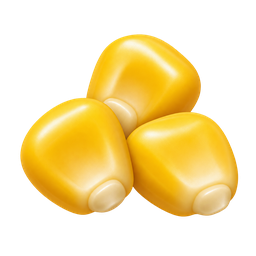 Sweetcorn |
Classic feeder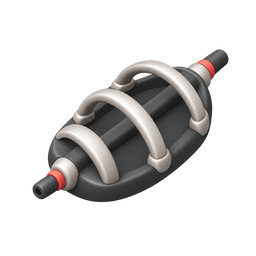 Method feederFloat fishingBottom fishing |
Place sweetcorn beside a feeder on a shelf or the edge of a deeper channel. Hook a soft grain or use a short hair so the hook gap stays clear. A small piece of worm or a maggot can accompany it if the hook still has room to take hold. Use a mix that releases on the chosen bottom and adjust feed to the fish response. |
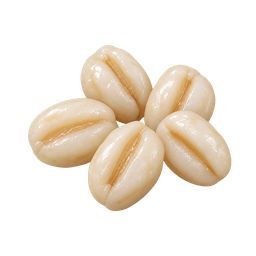 Cooked pearl barley |
Classic feederFloat fishing |
Present soft cooked barley beside a feeder on a clear bottom patch. Use grains cooked until soft but still secure on the hook. Keep the point clear and check that the bait survives the cast. Match the groundbait consistency to the flow and use modest amounts of loose grain rather than an automatic heavy feed. |
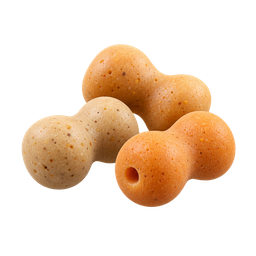 Wafters |
Method feeder |
Set a small balanced wafter beside the feed on a flat feeder. A 4 to 6 mm bait is a starting option. Test it with the actual hook in water: the bait should lighten the presentation without lifting the whole rig. Choose a clear patch and prepare the feed so it releases instead of remaining a hard lump. |
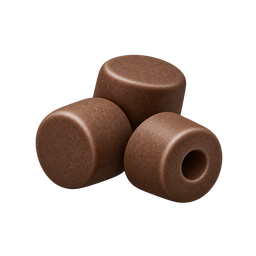 Pellets |
Method feeder |
Present a small hook pellet with a flat feeder on clear bottom. Try a 4 to 8 mm hookbait, using a band for a firm pellet or a suitable mount for a soft one. Keep the hook gap clear and test that the bait stays attached. Soften the feeder pellets enough to mould and release on the bed. |
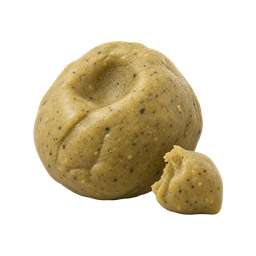 Fishing paste |
Float fishing |
Present a small piece of soft cereal paste near the bottom beneath a float. A semolina-based paste is one option from the report. Mould it around the shank or a suitable mount without blocking the hook gap. Cast gently and check the bait after a missed bite because it can soften or detach. |
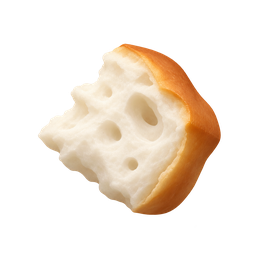 Bread |
Float fishing |
Lower soft bread flake beside a shelf and let it settle near the bottom. Pinch a secure attachment around the shank while leaving the outer bread soft. Keep the point clear and use a gentle cast. Set depth from the swim and replace the flake when it loosens or after a missed take. |
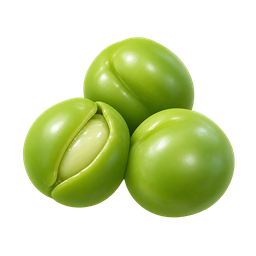 Cooked peas |
Bottom fishing |
Set a soft cooked pea on a clear bottom patch beside a feeding route. Use soaked and cooked peas that remain intact but are soft enough to fish. Attach securely with the hook point free and check the bait after casting. Choose a bottom rig that keeps the hookbait clear of debris. |
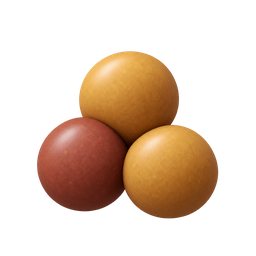 Sinking boilies |
Bottom fishing |
Present a small sinking boilie on clean ground beside a shelf. An 8 to 12 mm bait is a starting option, adjusted to the hook and hair. Check that it rests clear of soft debris and that the hook can turn freely. A running lead and a bolt-style arrangement behave differently; use a system that releases the weight if snagged. |
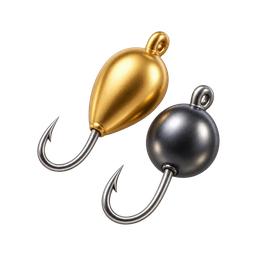 Mormyshkas |
Ice fishing |
Work a small mormyshka gently above the bed, with pauses between movements. Tip the hook with bloodworms if appropriate and keep the point exposed. Start with restrained lifts or trembles and include still holds. Change height and rhythm from the response instead of applying one fixed vibration rate. |
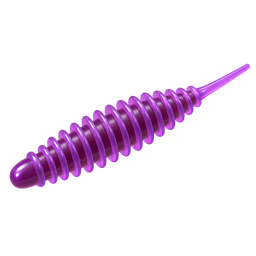 Soft insect larvae |
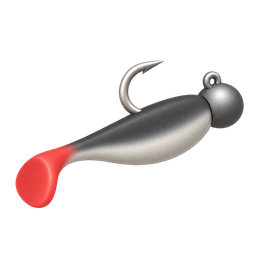 Spinning |
Try a tiny soft larva slowly near the bottom as a supplementary approach. A 15 to 30 mm imitation on a light jig head is a starting option. Rig it straight and use small lifts with controlled falls over clear ground. Include pauses without assuming this approach matches the reliability of natural-bait methods. |
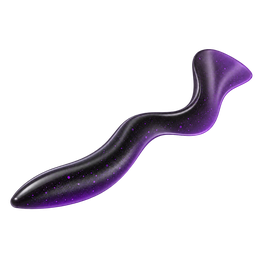 Soft leech imitations |
Spinning |
Try a tiny soft leech with slow bottom lifts as a supplementary approach. Use a supple 15 to 30 mm profile on enough weight to follow the presentation. Keep the tail free and alternate small movements with pauses. Work clear ground and stop dragging if the lure repeatedly catches debris. |
Feed with a cage or blockend feeder; watch the quivertip for bites.
Use a flat feeder and short hooklink to present bait within the feed.
Set bait depth with a float and watch it for bites.
Hold bait on the bottom with a lead; watch a bite indicator.
Present a lure or natural bait through an ice hole at the depth of the fish.
Retrieve a lure, varying its depth, speed and pauses.
FAQ
The BiteRadar guide recommends worms, maggots, casters, bloodworms, sweetcorn, cooked pearl barley, wafters, pellets, fishing paste, bread, cooked peas, sinking boilies, mormyshkas, soft insect larvae and soft leech imitations, each with its own fishing method and presentation.
The best spots for bream are changes in bottom depth, slopes beside deeper water, gravel flats and sediment edges, foot of the marginal slope, current breaks, wide, deeper canal sections and canal channel and far-bank shelf.
The guide covers classic feeder, method feeder, float fishing, bottom fishing, ice fishing and spinning. Each method lists its own baits and how to fish them.
In the BiteRadar model, dawn, dusk and night are usually the best times for bream. The exact hours change every day with light, weather and water temperature, so check the hourly forecast for your spot.
Most active in water around 14–22 °C. In colder water activity slows down gradually. Above the optimum activity drops, and in very warm water it falls sharply. Other conditions can still raise or lower activity on a given day.
Same lures, other fish
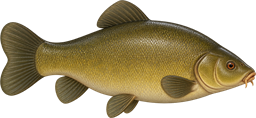 Tench11 shared baits
WormsSweetcornMaggotsCastersCooked pearl barleyFishing pasteBreadPelletsWaftersSinking boiliesSoft insect larvae
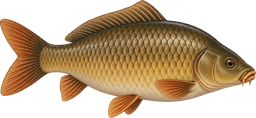 Carp10 shared baits
Sinking boiliesWaftersSweetcornPelletsWormsMaggotsCastersFishing pasteCooked pearl barleyBread
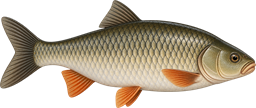 Chub6 shared baits
Soft insect larvaeBreadMaggotsCastersWormsFishing paste
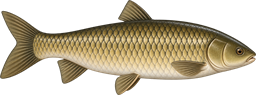 Grass Carp5 shared baits
SweetcornSinking boiliesWaftersCooked peasBread
Free on iOS and Android

Scan with your phone to get the app
 BiteRadar
Bream · Fishing forecast