Polski
 Deutsch
 Čeština
 Slovenčina
 Magyar
 Français
 Nederlands
 Svenska
 Dansk
 Norsk
 Suomi
Water temperature
22–26 °C
22–26 °C
0102030
In colder water activity slows down gradually. Above the optimum activity drops, and in very warm water it falls sharply.
Where eels hold, how to fish for them and which baits work, from the BiteRadar species guide. The app forecasts eel activity hour by hour for the water you fish.
When to fish
Quick answer
Most active in water around 22–26 °C. In the BiteRadar model, night, dusk and dawn are usually the best times for eels. The exact hours change every day with light, weather and water temperature, so check the hourly forecast for your spot.
Water temperature
22–26 °C
In colder water activity slows down gradually. Above the optimum activity drops, and in very warm water it falls sharply.
Best times of day
Night&Dusk&Dawn
Exact hours shift every day with sunrise, sunset and weather.
What stands out for this species
Where to fish
Quick answer
Look for eels at reed edges, submerged weed edges, foot of the marginal slope, submerged timber, piers and stone banks and current breaks.
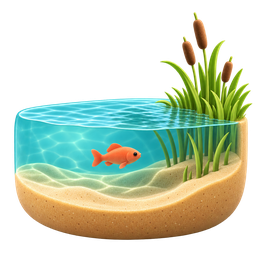
Search reed margins and nearby clear bottom for eels moving out from cover.
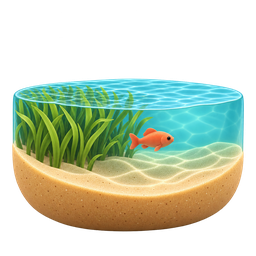
Place bait in clear gaps beside submerged weed rather than burying it in stems.
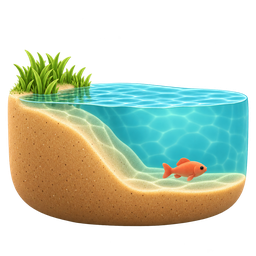
Explore the foot of the bank slope and nearby changes in bottom structure.
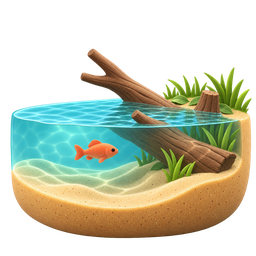
Present bait beside roots and submerged timber, with room to keep fish clear.
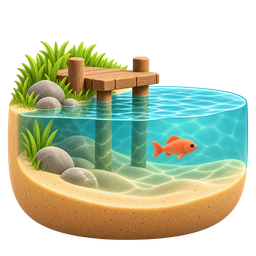
Search the base of stone banks and gaps beside rock cover.
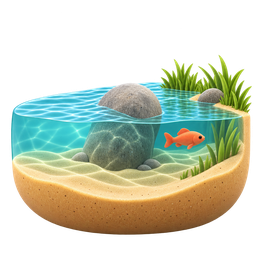
Try slower river pockets beside the flow, especially near roots or undercuts.
Lures and methods
Quick answer
Worms, dead baitfish and fish pieces for bottom fishing; worms and fish pieces for float fishing or classic feeder.
| Lure or bait | Method | How to fish it |
|---|---|---|
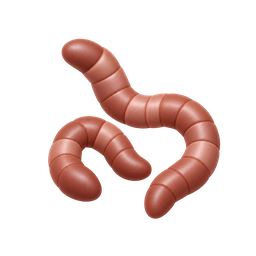 Worms |
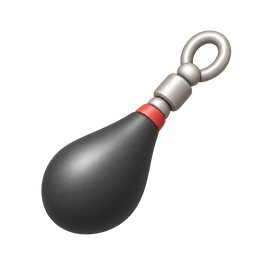 Bottom fishing 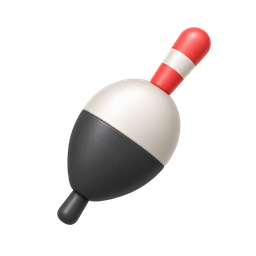 Float fishing 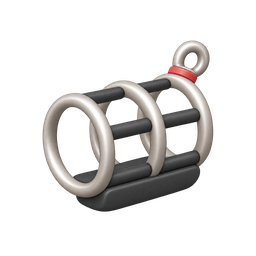 Classic feeder |
Present a worm near bottom cover with sensitive bite indication and prompt response. Use an abrasion-resistant hooklink and match the hook to the worm so the point stays clear. A running lead lets line pass through the weight attachment, but does not make the rig completely resistance-free. Stay beside the rod and investigate bites immediately instead of waiting for the eel to swallow the bait. |
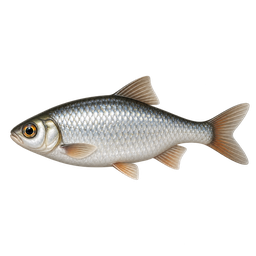 Dead baitfish |
Bottom fishing |
Place a small dead baitfish on clear bottom beside cover and watch every take. Use a purpose-made eel rig matched to the bait, with an abrasion-resistant trace and exposed hook point. Where pike may take fish baits, use a suitable bite-resistant trace. Keep the bait outside roots and timber, maintain sensitive indication and respond promptly to reduce deep hooking. |
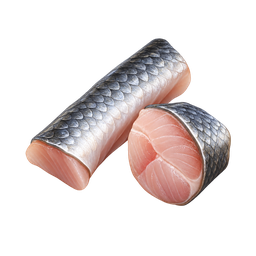 Fish pieces |
Bottom fishingFloat fishingClassic feeder |
Present a compact fish section near the bottom and respond promptly to bites. Attach it through firm skin or the tail root so it stays secure without masking the hook. Use a trace suited to abrasion and possible pike, and place the bait on clear ground beside shelter. Do not leave the rod unattended or use a timed delay before responding to a take. |
Hold bait on the bottom with a lead; watch a bite indicator.
Set bait depth with a float and watch it for bites.
Feed with a cage or blockend feeder; watch the quivertip for bites.
FAQ
The BiteRadar guide recommends worms, dead baitfish and fish pieces, each with its own fishing method and presentation.
The best spots for eels are reed edges, submerged weed edges, foot of the marginal slope, submerged timber, piers and stone banks and current breaks.
The guide covers bottom fishing, float fishing and classic feeder. Each method lists its own baits and how to fish them.
In the BiteRadar model, night, dusk and dawn are usually the best times for eels. The exact hours change every day with light, weather and water temperature, so check the hourly forecast for your spot.
Most active in water around 22–26 °C. In colder water activity slows down gradually. Above the optimum activity drops, and in very warm water it falls sharply. Other conditions can still raise or lower activity on a given day.
Free on iOS and Android

Scan with your phone to get the app
 BiteRadar
Eel · Fishing forecast